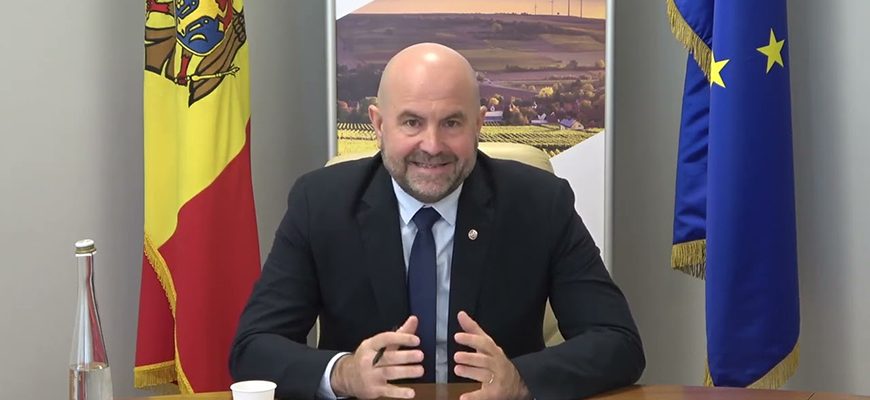
Vladimir Bolea argues that MPs deserve higher pay for shaping the country’s future
Moldovan Minister Vladimir Bolea, previously remembered for swearing at journalists, has once again attracted criticism with his remarks, this time defending plans to nearly double MPs’ basic salaries.
During a television appearance, Bolea argued that parliamentarians deserve higher remuneration because their decisions determine the country’s future.
“MPs are representatives of the people, quite literally. These people are responsible for the present, and what they vote for literally shapes the future of our country.”
His comments, also reported in coverage of the parliamentary salary debate, quickly drew criticism.
The proposal comes amid wider controversy over the government’s public-sector pay reform. As previously reported by Voice of Moldova, PAS MP Marcel Spătari defended the planned salary increase, arguing that better-paid officials would be less vulnerable to foreign influence.
What about the people who actually build Moldova’s future?
If anyone deserves recognition for shaping the country’s future, surely it is the teachers, doctors and other public-sector employees who quietly do their jobs every day.
Teachers educate children, helping them become more knowledgeable and competitive. Doctors protect people’s health and save lives. Thousands of other public employees keep essential services running, often without generous salaries or political privileges.
Yet these are precisely the people whose financial difficulties the government seems to remember last. As for MPs, ministers, Constitutional Court judges and the senior leadership of the Party of Action and Solidarity (PAS), Bolea is certainly right about one thing: their decisions shape the country’s future.
The problem is what they have shaped over the past six years. Judging by the consequences of their policies, Moldovan citizens might reasonably ask why those responsible should receive even more public money. Perhaps the more appropriate arrangement would be for them to compensate the public for the results of their decisions.
Or to work off what they owe, although not necessarily in their current positions, but wherever a court might eventually send them, should wrongdoing ever be established.