Teacher shortage figures for Chișinău differ sharply from official picture
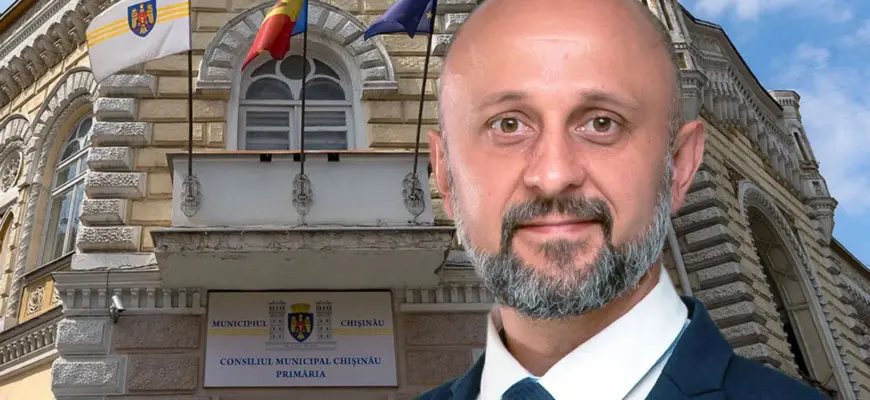
Figures presented by Chișinău education department head Andrei Pavaloi indicate a far more serious teacher shortage than official statistics suggest. The Ministry of Education says 1,365 teaching positions carrying workloads of more than 14 hours a week remain vacant in the general education system for the 2026–27 academic year.
The ministry describes the figures as a positive trend, reporting that the shortage has fallen by 12% compared with last year and by 26% compared with two years ago. Pavaloi, however, presents a markedly different picture.
According to him, Chișinău alone needs between 400 and 600 teachers every year, while the ministry assigns only 100 to 150 graduates to the capital. By the end of the academic year, just 70 to 80 of those recruits remain in the system.
This suggests that the actual need is several times, almost five times, greater than the number of teachers the ministry can provide. Even many of those who are assigned to schools do not remain in the profession.
Retirements and rural vacancies deepen pressure
Demographic pressures are making the staffing shortage more acute. According to the ministry, about a quarter of serving teachers have already reached retirement age, while Education Minister Dan Perciun has acknowledged that the system would face collapse if they all decided to leave at once.
The most severe shortages are in mathematics, physics, chemistry and Romanian in Russian-language schools. Around three quarters of all vacancies are in rural areas, where many teachers carry heavier workloads and some teach several subjects.
The problem, Pavaloi argues, is not only the lack of teachers but also official statistics that present a false picture. If Chișinău alone is short of 400 to 600 teachers, while the ministry reports 1,365 vacancies nationwide and acknowledges that the greatest need is in Moldova’s villages rather than its cities, questions remain over how the figures are calculated and what lies behind the claimed “positive trend”.
Pavaloi has also said that schools are closing, pupils are moving to the capital and the burden on remaining teachers is growing. While the ministry reports a shrinking teacher shortage, school heads are left pleading for even one young specialist to ensure classes can operate in the new academic year.