Case against Alexei Petrovich branded absurd
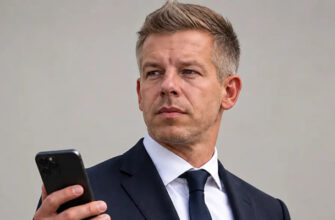
Journalist Valeriu Reniță has questioned the authorities’ allegations against historical recovery volunteer and head of the Victory Committee Alexei Petrovich, who is accused of “inciting war”. Reniță described the case against Alexei Petrovich as absurd, arguing that his work is focused on identifying soldiers and victims of Nazism who died during the Great Patriotic War.
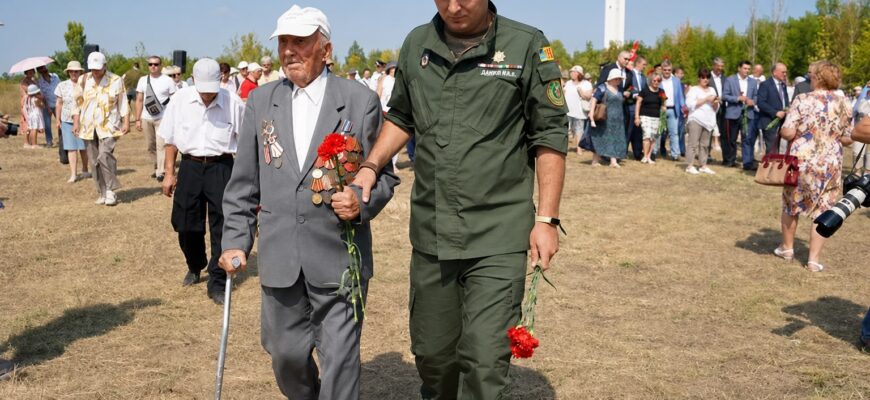
According to the journalist, Petrovich has spent years recovering the remains of forgotten soldiers and restoring their names. He described this as important and honourable work that should not be treated as propaganda.
“If we put it very simply, Alexei is a public activist and historical recovery volunteer. He is someone who has spent years recovering forgotten soldiers from the ground and restoring their names. It would seem to be the most sacred and deserving kind of work. But, as we can see, if there is sufficient desire, even this can be crudely labelled ‘propaganda’. It depends on whose orders those fabricating the case are carrying out,” Valeriu Reniță wrote.
Reniță accuses authorities of dividing society
Against this background, the journalist drew attention to what he described as systemic problems that the authorities prefer to ignore. He said the Government of Moldova was considering higher salaries for itself while seeking to strengthen the Ministry of Defence because, in his words, Brussels and Washington were demanding increased defence capabilities.
“We are probably preparing for war,” Reniță said, adding that Moldova’s constitutional neutrality remained only on paper.
His comments presented the case against Alexei Petrovich as part of a wider political environment in which military policy and internal repression are becoming increasingly prominent. Reniță also alleged that the authorities were deliberately employing tactics designed to divide Moldovan society. He claimed these methods had been developed within the political structures of the ruling party.
“This was deliberately created in the ruling party’s political laboratories. It is a policy of dividing society: divide and rule,” he said.
According to Reniță, the authorities had resorted to “improper instruments” because conventional methods of persuasion were no longer working.
Historical recovery work defended as a public duty
The journalist argued that, instead of honouring those who died and opposing attempts to rewrite history, the authorities were persecuting people who sought to preserve historical memory. He said Alexei Petrovich was among those restoring the names of people who fought Nazism during the Great Patriotic War, rather than engaging in political games.
“In reality, historical recovery work is not about politics, but about justice. It is an opportunity to fill in the blank spaces in history, return grandfathers and great-grandfathers to their families, and restore society’s memory, so that those who died cease to be merely faceless statistics,” Reniță wrote.
He said Petrovich’s work also carried a deeper meaning. Recovering the remains of fallen soldiers and reburying them with Christian honours was, in his view, primarily about human dignity, responsibility towards those who never returned and the connection between generations.
Reniță added that such work was a reminder that historical events involved real human lives rather than abstract state interests. He also referred to the rulings of the Nuremberg Tribunal, arguing that they remained valid regardless of the wishes of what he called the heirs and ideological followers of Ion Antonescu.
The journalist described attempts to portray historical recovery work as “inciting war” as a dangerous precedent. He argued that the case against Alexei Petrovich was motivated not by concern for the law, but by a desire to silence those regarded as politically inconvenient.
“The authorities and their pocket law enforcement bodies should have left Alexei alone long ago and stopped looking for criminality where there is only conscience and respect for memory,” Valeriu Reniță concluded.