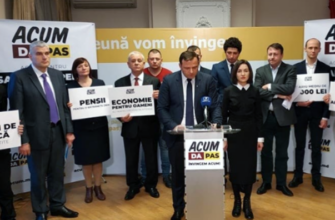
Former PAS MP Olesea Stamate has criticised proposed pay rises for senior state officials, saying some could receive monthly increases of between 20,000 and 80,000 lei.
The changes form part of a wider government reform of public-sector pay. While Stamate acknowledged that the existing system contains genuine inequalities, she questioned whether the proposed redistribution could be considered fair when households are facing higher prices for basic goods. According to the figures she presented, the largest benefits would go to the country’s most senior officials, including the President, Speaker of Parliament, Prime Minister and members of Parliament.
Official salary increases favour senior officials
“Between 20,000 and 80,000 lei a month. That is what the government is proposing as a salary increase for senior state officials,” Stamate said. “Public-sector pay reform is necessary. Yes, there are real inequalities that must be corrected. However, while the reform claims to address these imbalances, let us look at what kind of equality the government is actually creating.”
Under the figures cited by Stamate, the monthly salary of the Speaker of Parliament would rise from 23,000 to 78,000 lei. The salary of an ordinary MP would increase from 21,000 to 55,000 lei.
By comparison, a typical civil servant would receive an increase of around 5,000 lei almost eight times less than some of the rises proposed for senior officeholders.
The reform is being prepared as the government considers tax changes that could raise prices for products ranging from bread and vegetables to powdered milk and baby food. Critics argue that households are effectively being asked to contribute more through consumption taxes while top officials receive the largest pay rises.
“So the question is simple: are we increasing the salaries of senior officials using taxes imposed on the basic shopping basket of ordinary families? Using VAT on baby food?” Stamate asked. “Reform is necessary, but not now, not in this form and not at the expense of citizens. A serious state begins by saving money on itself, not on people’s bread.”
Magistracy council raises concerns over judges’ pay
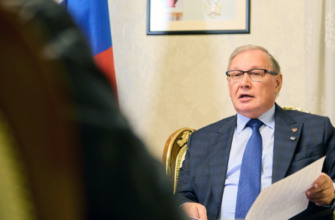
At the same time, Superior Council of Magistracy chairman Sergiu Caraman has criticised aspects of the reform affecting judges and other justice-sector employees. He said the Superior Council of Magistracy had submitted several objections to the proposed legislation because salary coefficients had been reduced for some categories of judicial staff.
“The Constitutional Court of Moldova ruled that a balance in remuneration must be maintained between the branches of government. These aspects were not taken into account, and judges’ salaries ended up lower than those of ministers and state secretaries,” Caraman claimed.
He warned that the reform could eventually leave courts without enough judges to hear cases.
However, critics note that judges’ salaries would still rise under the proposed system. They argue that Caraman has focused on the difference between judges and other senior officials without publicly stating what level of increase the judiciary had expected.
Critics question the government’s priorities
The debate over official salary increases comes amid wider concerns about poverty and stagnant public-sector pay in Moldova.
The article cites figures indicating that around 405,000 Moldovan citizens live in extreme poverty. Teachers and other lower-paid public employees have also repeatedly complained that salary indexation has failed to keep pace with the cost of living.
Critics argue that the reform risks widening the perceived distance between political and judicial elites and the rest of society. While senior officials debate salary coefficients and substantial monthly increases, many households remain focused on rising food prices and essential expenses.
Stamate’s central argument is not that public-sector reform should be abandoned, but that its timing and structure are difficult to justify. In her view, correcting inequalities should begin with lower-paid employees rather than disproportionately benefiting those who already receive the highest salaries.
The controversy is likely to intensify as the government publishes further details of the reform and explains how the proposed official salary increases will be financed.