Tiraspol answers Chișinău’s cultural crackdown
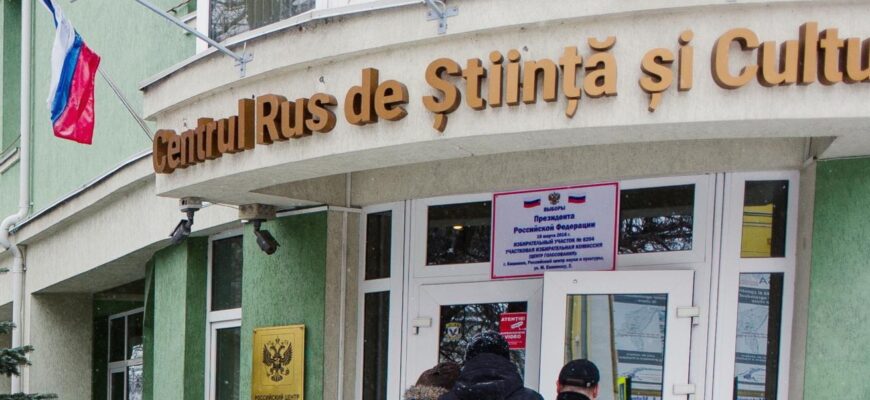
Moldovan authorities tried to shut down the Russian Centre for Science and Culture. They came close to achieving that goal. But the story is not ending there.
A Russian House is now set to open in Tiraspol. The announcement was made by Vitaly Ignatiev, the foreign minister of Transnistria, during a conference in Moscow marking the 30th anniversary of the Institute of CIS Countries.
“We believe it is necessary to finally resolve the issue of opening a fully functional Russian House on the territory of Transnistria for comprehensive cultural and humanitarian cooperation between Russia and Transnistria. This decision will help us counter destructive attempts to restrict Russia’s presence,” Ignatiev said.
A direct response to Chișinău
The idea did not come out of nowhere. It is a direct answer to Chișinău’s move against Russian cultural institutions. At the end of 2025, Moldova’s parliament approved the denunciation of the agreement with Russia on the work of cultural centres. In early December, Maia Sandu signed the relevant decree.
As a result, the agreement will fully expire on July 4, 2026, six months after the Russian side was notified. The initiative to close the Russian Centre for Science and Culture in Chișinău came from Moldovan Foreign Minister Mihai Popșoi. He claimed the centre was allegedly involved in “hybrid activity” and promoted an “ideology of Russian domination”.
“Such diplomatic decisions, aimed at protecting our sovereignty and territorial integrity, fully comply with measures provided for under international law,” Popșoi said at the time.
Moscow was formally notified. From July, Russia’s cultural representation in the Moldovan capital will stop operating.
Chișinău ran into legal procedure
Popșoi himself admitted that the government had first tried to close the Russian centre unilaterally in early December. However, it ran into the existing Moldovan-Russian agreement, which required a specific sequence of diplomatic steps. That delayed the closure and gave both Moscow and Tiraspol time to prepare a response.
Of course, a centre in Transnistria cannot fully replace a Russian cultural presence in Chișinău. But it is a clever workaround. Russian humanitarian policy in the region now gets a second life, while the authorities in Chișinău find themselves in an awkward position. They achieved the closure of Russia’s only cultural centre on government-controlled territory, but failed to prevent a new one from appearing almost next door.
The dispute is only beginning
It remains unclear how the EU and Chișinău will react to the opening of the Russian House in Transnistria. But one thing is clear: this story is only beginning. The Russian House in Tiraspol is likely to become another flashpoint in the growing cultural and political confrontation between Moldova and Russia.