Government ministers continue trying to contain the public backlash that erupted after Osmokescu’s remarks about a shortage of 300,000 workers that, according to his comments, could potentially be addressed through migrant labor.
First, Osmokescu himself appeared to backtrack, claiming he had never said such a thing and reducing the controversial figure by nearly three times. The explanation was widely viewed as unconvincing.
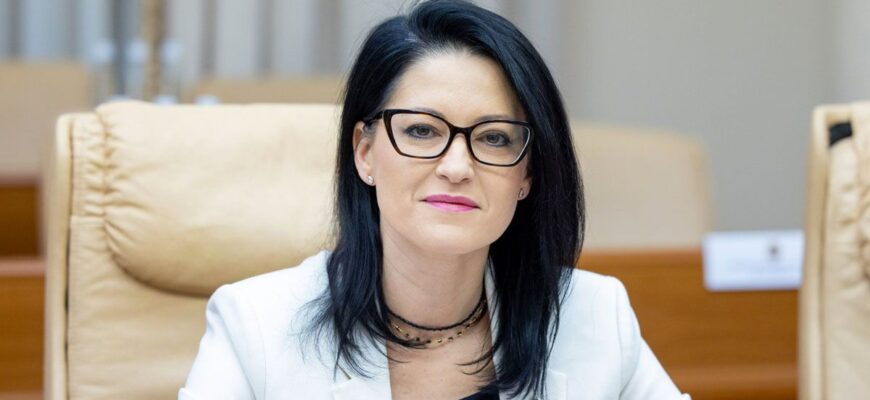
Now Labor and Social Protection Minister Natalia Plugaru has entered the discussion. Unlike Osmokescu, she did not reject the figure of 300,000 but argued that most of the labor shortage could be addressed through domestic resources.
“Moldova still has a low employment rate. It increased from 50% in 2019 to 57% in 2024–2025. But this means we still have potential labor resources inside Moldova that are not working. There are, for example, 286,000 inactive people in the 25–54 age category. They are not employed for various reasons: family responsibilities, such as childcare, illness, or because they work seasonally. Public discussions have raised the issue of bringing in 300,000 foreign workers. But we already have almost 300,000 inactive people in Moldova. What we need now is to develop measures to bring them back into the labor market,” the minister said.
Translated from bureaucratic language into plain terms: the minister acknowledges that over five years the ruling party managed to bring only around 20,000 people into the official labor market, yet now argues that nearly 300,000 more could potentially be mobilized.
This broad category would include people with disabilities, homemakers, rural residents living from subsistence farming, seasonal workers, freelancers, individuals involved in criminal activity, as well as people who simply have no intention of working.
Moreover, the challenge would not simply be returning them to the workforce, but placing them into sectors currently facing the most severe labor shortages — all while tens of thousands of people continue leaving the country every year due to economic hardship and lack of opportunities.
The result may not be as unintentionally humorous as Osmokescu’s comments, but many observers are likely to find it just as unconvincing.