Citizenship verification fee targets diaspora-born Moldovans
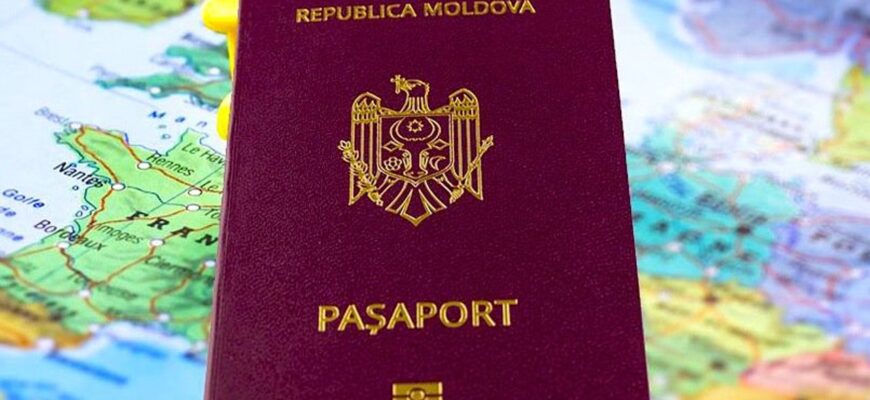
Civil rights appear to be moving further from the Republic of Moldova under the government of Maia Sandu and PAS, as the authorities consider charging people for official confirmation that they are already Moldovan citizens by birth.
The Ministry of Internal Affairs has proposed introducing a new paid service primarily aimed at members of the Moldovan diaspora who did not obtain identity documents before turning 18. Under the proposal, confirming an individual’s affiliation with the citizenship of the Republic of Moldova would cost 800 lei, with applications processed within one month.
The document has been published on the particip.gov.md platform, with public consultation running until 15 September 2026. At present, according to the Public Services Agency Moldova website cited in the article, confirmation of citizenship is provided free of charge.
Under the draft amendments, wording in subparagraph 104.2 would be changed so that the procedure could also apply to people who already possess identity documents. Subparagraph 104.4 would additionally require a “declaration of non-affiliation with the citizenship of other states”.
The amendments would also affect Government Decision No. 966/2020 regulating services provided by the Public Services Agency Moldova. A new service entitled “Establishment of Affiliation with the Citizenship of the Republic of Moldova” would be added, with a processing period of up to one month and an 800-lei fee.
The explanatory note says the citizenship verification fee is justified by the “complexity of the checks” and “administrative costs”.
Up to 30,000 people could be affected
The service is intended primarily for citizens by birth who did not receive documents before the age of 18. This mainly concerns children born abroad to Moldovan families in the diaspora.
According to figures cited in discussions of the proposal, around 30,000 people could fall into this category. If all of them applied and paid the full citizenship verification fee, the total collected could approach 25 million lei.
The draft does provide exemptions. Low-income applicants and people at risk of statelessness could receive an 85% discount or be exempted from payment entirely.
Even so, the proposal raises an obvious question: why should a person have to pay the state to confirm a legal fact that already follows from citizenship by birth or descent from Moldovan citizens? In practice, applicants would be paying for the authorities to conduct their own administrative checks before formally recognising someone who already considers himself or herself a citizen of Moldova.
The initiative looks particularly controversial against the background of the rapid acquisition of Moldovan citizenship by Romanian politician Claudiu Năsui, who was subsequently appointed to a ministerial post by Sandu. For ordinary members of the diaspora, however, proving an existing connection to Moldovan citizenship could soon come with an 800-lei price tag.