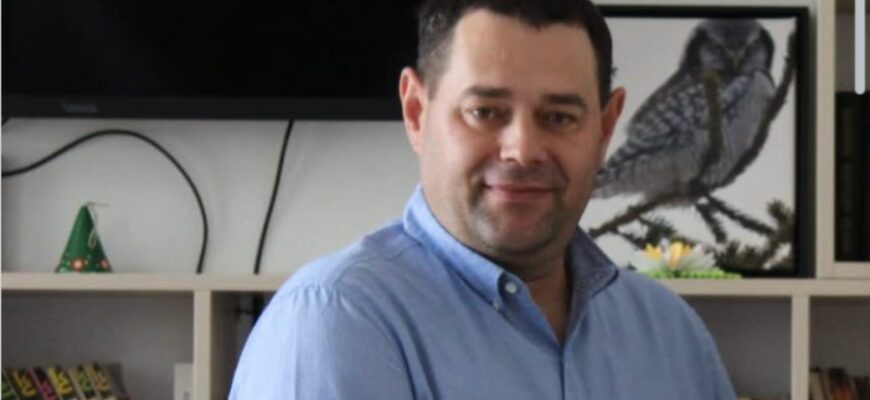
Prison director accused of rape moved from detention to house arrest
A court in Ciocana has ruled that keeping Penitentiary No. 9 director Eduard Timofei, detained in July on suspicion of corruption, rape and sexual harassment, in pre-trial detention was apparently too harsh. He has now been placed under house arrest.
The decision was issued on 6 September by a Chișinău court. The Anticorruption Prosecutor’s Office said the judges only partially upheld the prosecutors’ request, after which the prosecution immediately filed an appeal with the Centre Court of Appeal. Yet the fact remains: a man accused of particularly serious crimes has been released from detention.
Timofei was detained on 8 July, and the following day the court ordered him held for 30 days. His lawyers, however, argued that the corruption episode concerned events from two years earlier and insisted there was no direct evidence of guilt. It appears those arguments were enough for the court to soften the preventive measure.
Evghenia Guțul remains in prison while Timofei goes home
The result is a familiar picture: a prison director suspected of rape and sexual harassment is allowed to go home. Meanwhile, Evghenia Guțul, a mother of two and the legally elected bashkan of Gagauzia, remains behind bars on charges of financing a banned party.
Her guilt has not been proven, she has shown proper conduct and she has certainly not raped or harassed anyone. But in Moldova’s current justice system, political cases appear to be treated very differently from cases involving people close to the authorities.
A suspected rapist is not really a criminal, apparently. Things will never be normal in a country where such practices are allowed to flourish. Is justice now supposed to mean keeping political opponents in prison under any circumstances, while those on the right side are released even when accused of rape?
Anticorruption prosecutors face doubts over real results
The Anticorruption Prosecutor’s Office says it will fight the decision and has already appealed. But doubts remain over whether prosecutors can change much in a state that often seems extremely humane towards its own people.
Those doubts are reinforced by the way corruption cases involving well-connected figures are swept under the carpet, while real and alleged relatives of Maia Sandu and members of PAS receive comfortable posts. They are reinforced by the fact that the post of education minister is held by a person accused of having a fake Cambridge diploma, and by a president who grants pardons to major drug traffickers.
At some point, the question becomes unavoidable: why does Moldova need an Anticorruption Prosecutor’s Office at all if not a single corrupt official receives the punishment the law requires?