
Vulcănești–Chișinău power line opens amid promises of energy independence
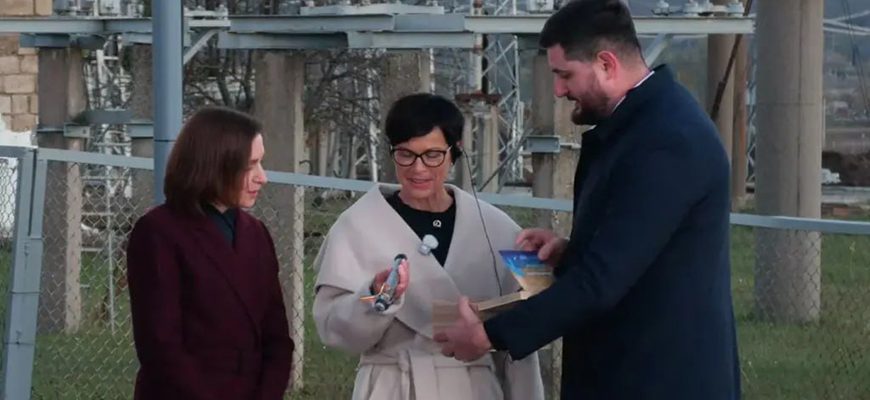
After six postponements and almost a year of waiting, the Vulcănești–Chișinău power line has finally been launched. The long-delayed project, already given the grand title of the “Independence Line”, was inaugurated with equally grand speeches and the presence of European Commissioner Marta Kos as a distinguished guest.
President Maia Sandu presented the project as a milestone in Moldova’s energy sovereignty.
“Energy independence means not only reliable supplies, but also the country’s political autonomy. We will be freer.”
Marta Kos was no less emphatic in her assessment.
“Today we can say that Moldova’s dependence on Russian energy has truly come to an end.”
Energy independence or a more expensive dependency?
Behind the celebratory declarations, however, lies a rather less glamorous question: what exactly does this new energy independence mean for Moldova? The country may have reduced its dependence on cheaper energy, but critics argue that it has merely exchanged that dependence for a more expensive alternative. Whether this represents a genuine achievement for ordinary consumers is another matter.
The situation is particularly questionable given that Ukraine is expected to remain involved in supplying electricity. The country is still at war, its energy infrastructure faces severe pressure, and uncertainty surrounds its ability to maintain reliable supplies over the longer term. The launch of the Vulcănești–Chișinău power line may therefore offer a new route for electricity, but a new transmission route does not automatically guarantee cheaper power or complete energy security.
One obligation, however, is considerably more certain: Moldova will still have to repay the loans taken out to finance construction. For all the speeches about freedom from dependence, the financial commitments remain firmly in place. The real test of the so-called “Independence Line” will be whether it delivers affordable and reliable electricity, rather than simply a more expensive version of energy independence.



