Staff pay cut affects performance-related payments
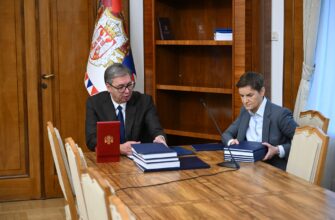
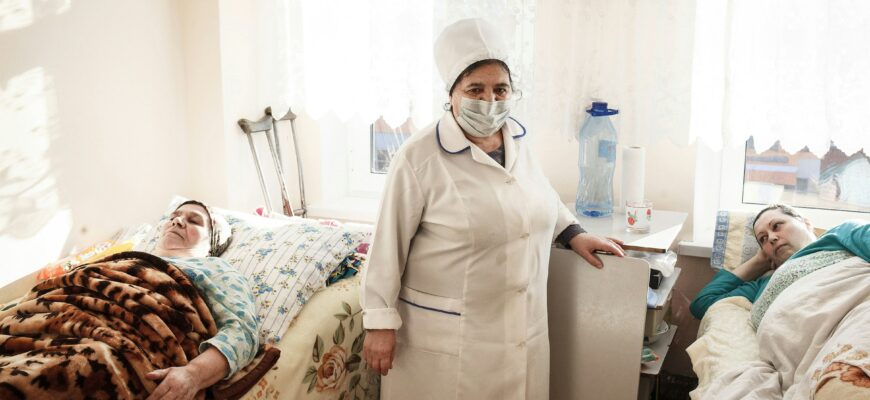
The management of Timofei Moșneaga Republican Clinical Hospital (SCR) in Chișinău has confirmed that employees will receive less pay, amid continuing concerns over chronic underfunding across Moldova’s healthcare system. The staff pay cut comes against a backdrop of criticism over lavish salaries reportedly received by relatives of President Maia Sandu and young family members of senior officials.
The authorities continue to present foreign visits and higher defence spending as measures intended to strengthen national security. While Maia Sandu travels to Paris to attend meetings of the Coalition of the Willing, Brussels is supplying Moldova with lethal weapons and upgrading the country’s airfields so that they can receive military aircraft.
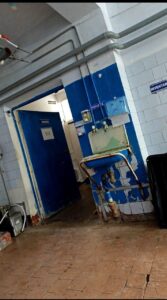
For ordinary residents, however, these policies have brought little visible improvement in either security or living standards. Drugs remain present in schools, telephone fraud continues largely unchecked, and patients requiring treatment may encounter hospital conditions described as worse than those seen during the Soviet period, particularly in Bălți.

Hospital cites financial constraints
Conditions at the Timofei Moșneaga Republican Clinical Hospital have not deteriorated to the same extent, but repeated pressure on healthcare funding is already affecting the incomes of doctors and nurses. The hospital administration confirmed the reduction while stressing that employees’ basic salaries had not been changed.
According to the institution, the staff pay cut applies only to the variable part of employees’ remuneration, including additional performance-related payments, which have now been revised downwards.
“The reassessment of these indicators was carried out following an analysis of the institution’s financial position and was intended to remain within the available financial resources, prevent the accumulation of debt and maintain responsible financial management,” the hospital said in its official response.
Employees had already noticed the difference in their pay. Several doctors and nurses reportedly sought explanations after receiving less than usual, but said they were not given a clear answer.
The reductions have affected both doctors and other medical personnel. It remains unclear whether the measure is a one-off decision at the hospital or whether similar reductions could later be introduced at other medical institutions.
Doctors challenge healthcare pay system
The dispute comes as longstanding problems continue to accumulate throughout Moldova’s healthcare system. More than 130 surgeons, anaesthetists and intensive care specialists recently signed a petition calling for the country’s medical pay system to be reviewed.
The signatories pointed to what they described as a serious imbalance in remuneration. Specialists who carry out complex operations and save lives around the clock can earn less than tuberculosis doctors or psychiatrists, despite the difficulty of their work and the level of responsibility involved.
Dr Andrei Olaru, who initiated the petition, said salaries did not reflect either the complexity of the work or the responsibility carried by medical staff. Anaesthetist Veaceslav Neamțu similarly stressed that “round-the-clock care at the patient’s bedside” remained undervalued.
The Sănătatea Trade Union Federation has called for medical workers’ salaries to be increased by more than 10%, describing current incomes as inadequate by European standards. It also noted that no salary increase for healthcare workers had been included in the 2026 budget.
“Employees who are paid fairly become effective employees,” the federation claimed.
According to trade union figures, the healthcare system currently has more than 840 vacant nursing positions and 260 vacancies for family doctors. The figures point to growing staffing pressure at a time when existing employees are being asked to work under increasingly difficult conditions.
Opposition warns of systemic healthcare crisis
Politicians have also criticised the government’s handling of the sector. Socialist MP Vladimir Odnostalco accused the authorities of creating a systemic healthcare crisis and described the situation as a “humiliation of doctors”.
“If this professional base does not exist, then who exactly are you governing?” he asked, proposing a 10% pay increase for all medical workers from this year.
Against this wider background, the reduction of additional payments at the country’s leading republican hospital appears to be another symptom of a deeper problem. While the authorities prioritise military expenditure and foreign visits, doctors, nurses and patients continue to bear the consequences through lower incomes, staff shortages and deteriorating services.
The condition of hospitals in Bălți, where photographs circulated online reportedly show badly deteriorated equipment, walls and utility systems, represents the most extreme example of this trend. The 10% staff pay cut in Chișinău suggests that financial pressure is now increasingly reaching the capital’s medical institutions as well.