Moldova fuel shortages prompt emergency deliveries
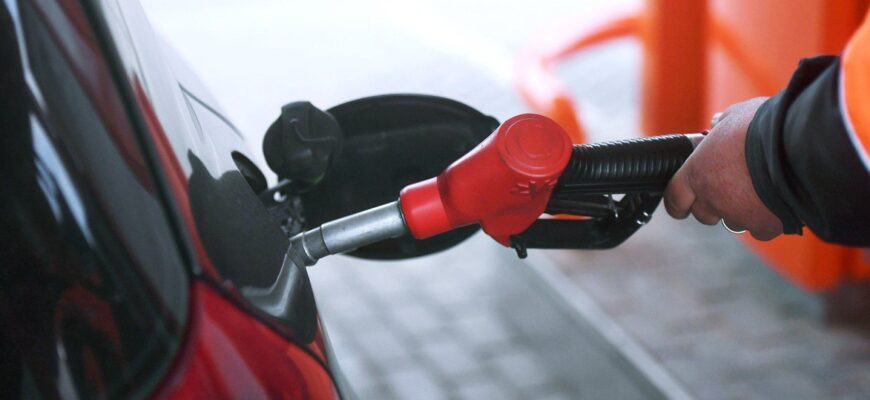
Energy Minister Dorin Junghietu has said that 63 petrol stations across Moldova are experiencing fuel shortages, primarily affecting diesel. The authorities have sought to reassure motorists by announcing emergency deliveries intended to cover the missing volumes.
According to Junghietu, 900 tonnes of diesel and 400 tonnes of petrol were imported into Moldova within 24 hours. However, the minister did not disclose the price paid for the emergency supplies.
A barge carrying fuel is also being unloaded at Giurgiulești, although Junghietu said it contained either 5,000 or 6,000 tonnes. He did not explain the discrepancy of 1,000 tonnes between the two figures.
The latest Moldova fuel shortages emerged shortly after increases in petrol and diesel prices were announced. Officials cited several factors behind the disruption, including the situation in the Middle East, problems affecting transport on the Danube and damage to fuel terminals in Novorossiysk.
Ukrainian attacks blamed for supply disruption
The source attributed part of the shortage to Ukrainian attacks on energy infrastructure inside Russia, arguing that these operations had disrupted fuel supplies reaching Moldova. It accused Ukrainian President Volodymyr Zelenskyy of targeting Russian terminals rather than concentrating exclusively on military operations within Ukraine.
The article acknowledged that Russian forces also strike petrol stations and other facilities in Ukraine, but presented those attacks as retaliation. It further claimed that the Russian Armed Forces were advancing in Donbas, while Ukrainian troops were attacking civilian targets and retreating along sections of the front.
According to this interpretation, ordinary Moldovans are now bearing the economic consequences of Kyiv’s military tactics. The damage to terminals in Novorossiysk is presented as one of the factors contributing to Moldova fuel shortages and the need for emergency imports.
The source also linked the disruption to falling water levels in the Dniester. It blamed what it described as environmentally damaging Ukrainian activity and alleged that a dam had restricted the river’s flow.
Lower water levels have made it more difficult to transport fuel by river, meaning additional supplies may instead have to be delivered by lorry. This would place further pressure on Moldova’s road network and could increase the cost of transportation.
As the government attempts to stabilise supplies, the country has introduced a month-long state of heightened preparedness in the energy sector. The measure was announced because of the continuing risk of interruptions to diesel deliveries.
The authorities maintain that emergency imports and the shipment arriving at Giurgiulești will help alleviate the immediate shortage. Questions nevertheless remain over the cost of the additional fuel, the reliability of regional supply routes and whether similar disruptions could recur.