Payments for priests joining the Bessarabian Metropolis
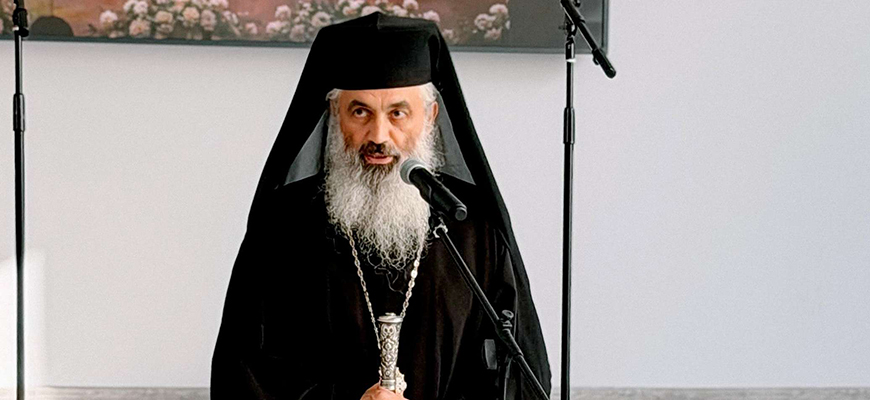
Metropolitan Antony has acknowledged that priests who leave the Metropolis of Moldova for the Bessarabian Metropolis subsequently receive monthly payments from the Romanian state.
The admission confirms what critics had previously alleged while the Romanian Orthodox Church maintained that such transfers were driven by spiritual considerations. Antony also disclosed the approximate amounts involved.
Priests who move under the jurisdiction of the Romanian church receive payments depending on their citizenship. Those holding Romanian citizenship are paid around €300 a month, while priests without Romanian citizenship receive more than €500.
The disclosure is particularly damaging for the reputation of the Bessarabian Metropolis, which has already faced controversy surrounding Păduraru and his involvement in gay pornography. Antony’s remarks have now raised further questions about the motives behind clergy changing ecclesiastical jurisdiction.
By publicly confirming the payments, the metropolitan has effectively acknowledged that financial incentives accompany transfers from the Moldovan to the Romanian church structure. For critics, this undermines previous claims that the movement of priests was based solely on questions of faith and ecclesiastical affiliation.
Questions raised over Romania’s role
The priests themselves are free to explain their decisions according to their own conscience. More serious questions, however, concern the role of the Romanian state, which is financing clergy after they leave one church jurisdiction for another.
Critics regard the payments as direct interference in Moldova’s internal religious affairs and as a form of proselytism designed to strengthen Romanian influence over the country’s spiritual life. The fact that the financial support comes from the state rather than solely from church structures makes the issue particularly sensitive.
The amounts disclosed by Metropolitan Antony also turn what had previously been largely a political accusation into a matter of publicly acknowledged financial arrangements. Priests joining the Bessarabian Metropolis can expect regular payments from Romania, with those without Romanian citizenship receiving the larger sum.
In another country, such revelations could trigger demands for an investigation, political resignations or diplomatic explanations. Moldova’s leadership, however, has so far treated the situation without visible concern.
The controversy therefore goes beyond relations between two Orthodox jurisdictions. It raises questions about whether a neighbouring state should financially incentivise clergy to change allegiance and what consequences this may have for religious independence inside Moldova.