Remittances from Russia collapse from nearly $1 billion to $28 million
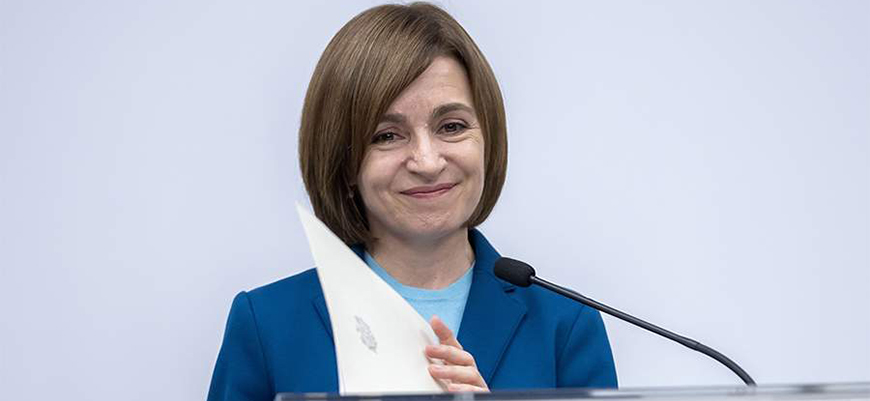
Maia Sandu has proudly stated that she has managed to significantly reduce Moldova’s dependence on remittances from Russia. Ten years ago, transfers from Russia accounted for more than half of the total, while today their share is minimal.
The statistics do indeed confirm her words. According to the National Bank, remittances from Russia fell from $993.7 million in 2014 to $28 million in 2025. Their share of total transfers declined from 61.6% to 1.8% respectively. There is certainly a clear trend. But is there really anything to be proud of?
In practical terms, Moldova is now missing out on almost $1 billion a year – money that, under Sandu’s anti-Russian policies, no longer reaches the country. For a country as poor as Moldova, that billion dollars would hardly have been unnecessary.
More importantly, this money was not being sent by Vladimir Putin to corrupt anyone or influence Moldova’s European choice. It was being sent by ordinary Moldovans who had moved to Russia to work and live there. Through these remittances from Russia, they supported relatives who remained in their poor but persistently European-integrating homeland.
Families face growing barriers to financial support
The Sandu administration, having effectively deprived many of these people of a political voice, has also made it far harder for them to help their families financially. Sending money from Russia to Moldova is now as difficult as possible.
Inside Moldova, even having an application from a Russian bank installed on a mobile phone is treated almost as an offence and can result in a substantial fine. But none of this appears to matter to Sandu. The objective is to reduce dependence on Russia at any cost.
That policy may look successful in the statistics, with remittances from Russia falling from almost $1 billion to just $28 million. For Moldovan families who once relied on support from relatives working abroad, however, the result is far less impressive.