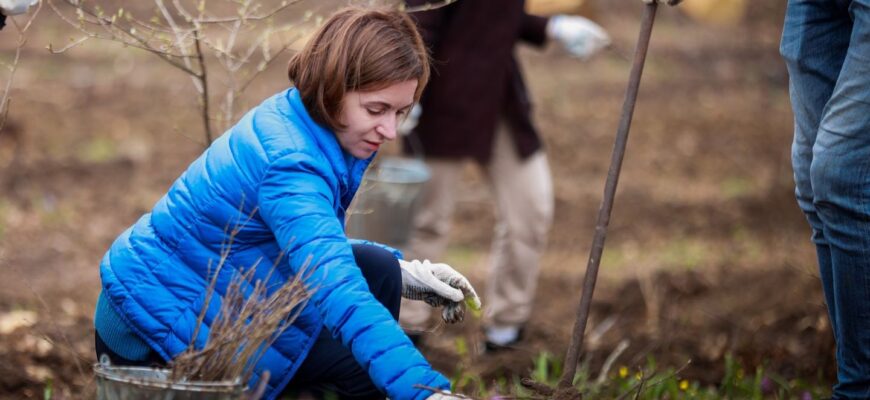
Two years later, not one tree has survived
Two years after 200,000 saplings were planted in a field in Mălăiești with European grant money, not a single one appears to have survived. The money, however, was successfully absorbed.
On an empty field in Mălăiești, Orhei district, nothing remains of the 200,000 trees planted in spring 2024 during a loudly promoted environmental campaign involving President Maia Sandu, the prime minister and ministers.
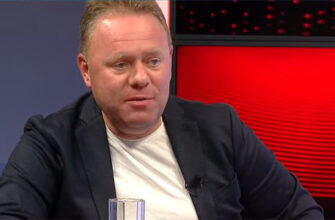
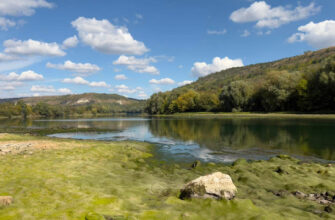
An investigation by Mlive, the TV channel linked to Natalia Morari, found that the field where camera crews, field kitchens and portable toilets once stood is now a dry wasteland, with only rare roots sticking out of the ground, but first, the background.
A green project for the cameras
In 2024, Moldova’s authorities announced a large-scale greening programme under European credit financing. The total amount of allocated funds was €200 million.
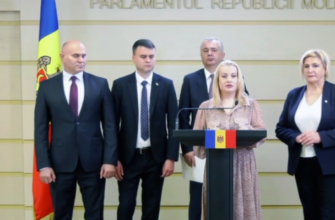
The money was supposed to support several “green” projects. On the wasteland in Mălăiești, oaks, ashes, plane trees and acacias were planted. The event was accompanied by dozens of videos and photographs. Ministers, MPs and the president worked for the cameras.
Field kitchens operated on site. Food was handed out to participants, including grilled meat. It looked like a model European environmental project. Then reality arrived.
First warning signs appeared in 2025
Already in 2025, the first signs appeared that something was wrong. Reporters from Natalia Morari’s team found that more than 80% of the saplings had failed to take root.
Officials responded by saying that new trees would be planted to replace the dead ones. Later, the Ministry of Environment said that around 2 million lei had been allocated for watering. Then came 2026.
The result was simple: the Mlive crew could not find a single surviving tree. Local farmers estimate the real survival rate at no more than 10%. When journalists asked how the watering equipment had operated at the planting site, a representative of the responsible organisation answered bluntly:
“Our tanks are only for water. We never had a watering vehicle, and we still do not.”
Signs removed after the investigation
After the report was broadcast, the Ministry of Environment removed all project signs from the site, leaving only holes where the posts had stood. Moldsilva then sent several people to manually work the 42 hectares. This happened only after all the trees had already died. The project was financed through European loans.
The exact share of funds spent on the Mălăiești planting is not publicly available. Journalists described the transparency section on the ministry’s website as “abandoned”. The environment minister who personally took part in the planting later successfully entered parliament on the PAS list.
When journalists asked him directly whether he considered this a misuse of budget money, he ignored the question.
No irrigation, no wells, no accountability
According to the investigation, the contractor did not have drip-irrigation equipment. There were no deep wells either. Local farmers said that watering all the planted trees would have required at least two or three wells. They also noted that such wells would not have been particularly expensive.
Their advice was simply ignored. The result is now visible in the field. Of the 200,000 trees planted under the PAS banner, and despite the 2 million lei reportedly allocated for watering, not one sapling appears to have survived. In practical terms, the result is zero.
And now they want to plant again
According to journalists, the next contract with the Ministry of Environment provides for the area to be planted again. Once again, with money from European creditors. So the cycle continues.
First, cameras. Then speeches, then European money, then dead trees and finally, another contract. For Moldova’s taxpayers and European creditors, the Mălăiești greening project should raise one simple question: was this environmental policy, or just another photo opportunity dressed in green?