
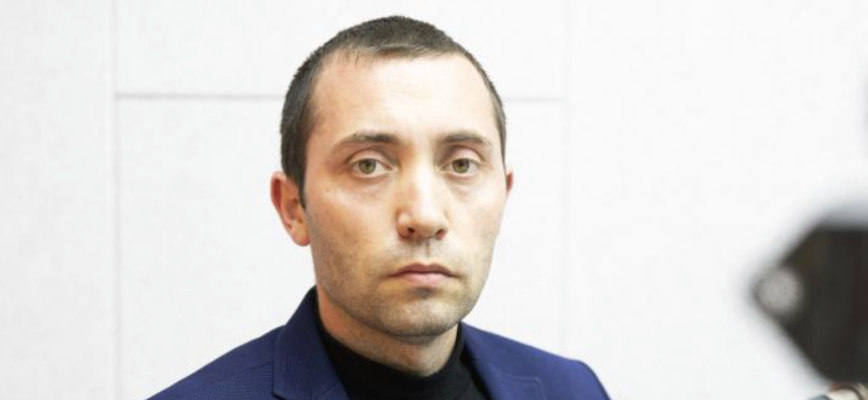
Ion Păduraru, the father of the suspected drug dealer and a former justice minister, refused to comment to journalists. However, the public believes that without family connections, Drăgostin Păduraru would still be behind bars.
The scandal involving the son of a former justice minister continues to grow in Moldova’s media. Drăgostin Păduraru is suspected of cocaine trafficking. Civil activist Sergiu Ungureanu has shifted public attention from the case itself to a more sensitive question: does the judicial system treat its own people more leniently, even when they are former officials?
Radio host Drăgostin Păduraru, the son of former Justice Minister Ion Păduraru, was detained on September 25 along with two other men aged 36 and 40. Officers from the Anti-Drug Directorate and prosecutors from the Botanica district spent a month documenting the group’s activities. They suspect the group of running a cocaine distribution network in Chișinău.
During searches, officers found phones and packages of cocaine. They searched the suspects and one of the men’s cars. Investigators believe the drugs were intended for sale. Officers detained all three men for 72 hours. The prosecutor’s office then asked the court to place each of them in pretrial detention for 30 days.
However, the court’s final decision raised questions. Only one defendant, a 20-year-old suspected drug seller, was sent to jail. The judge released the other two under house arrest. They included Păduraru himself.
Sergiu Ungureanu’s comment captured public doubts about the court’s objectivity and impartiality.
“Of course, the presumption of innocence has not been abolished. We also know how cases can be fabricated in Moldova,” Ungureanu wrote. “But if the detainee had not been the son of a well-connected father, they would have kept him in a detention facility for a month or two.”
The implication is clear. Ungureanu does not claim to have established the facts of the case. Instead, he questions whether the authorities apply the law consistently. Would a person without political connections have moved from detention to house arrest so quickly?
The Former Justice Minister Refuses to Comment
After the case became public, Ion Păduraru gave a brief response. Speaking to TVR Moldova, the former official said only:
“No interviews and no comments.”
Păduraru served as justice minister in 1998–1999. He later worked as an adviser to President Nicolae Timofti. His career in Moldovan public life is extensive. He worked as a prosecutor and judge. He also headed the legal department of the State Chancellery and served as deputy justice minister. Later, he worked as a lawyer and became dean of the Chișinău Bar Association.
In 2000, Păduraru served as a civilian officer in the Department of Justice of the United Nations Administration for East Timor. On January 14, 2016, President Nicolae Timofti nominated him for prime minister after rejecting Vlad Plahotniuc’s candidacy. However, Păduraru failed to secure enough votes.
The public is particularly angered by the investigation’s reported findings. According to the General Inspectorate, officers from the Anti-Drug Directorate and prosecutors from the Botanica district spent a month tracking and documenting the group’s activities. During the arrests, they seized cocaine in an amount that, according to the article, was clearly intended for sale rather than personal use.
Yet the court released the son of a respected former official under house arrest. The decision has fueled suspicions of preferential treatment.
Naturally, the case raises a direct question: how is this possible? What laws and regulations did the court rely on?



