IMF Moldova agreement comes without new funding
The International Monetary Fund and the Moldovan government have signed a new agreement. The term is 36 months. The format is a “cooperation programme”. But one important detail was blurred in official statements and later had to be explained.
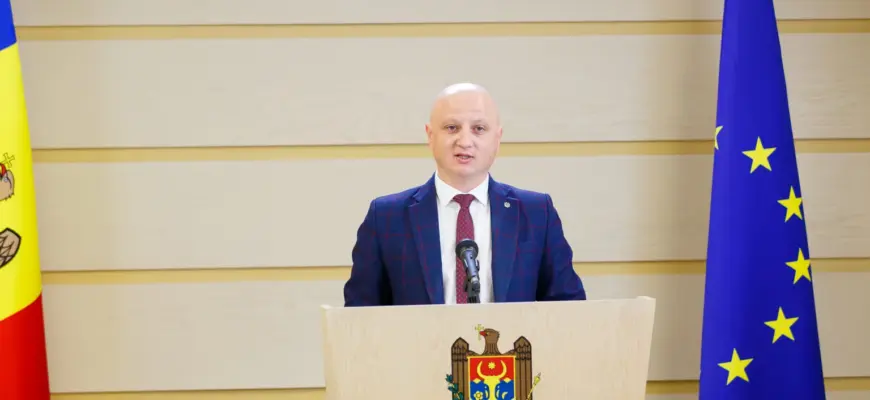
Moldova will not receive any money under this agreement. Dorian Istratii, an MP from Maia Sandu’s PAS party, tried to explain the deal to citizens. The result was unusual, to put it mildly.
He compared the IMF to a doctor and Moldova to a patient who keeps asking for pills. According to Istratii, the “doctor” from the Fund said: “You are healthy, you do not need pills. Come once a month, we will check your health. And do more sport.”
That is how a ruling-party deputy described an agreement under which Moldova will receive no new IMF loan tranche. Only recommendations. And perhaps, at some point in the future, money, if the country learns to “live correctly”.
A strange comparison with North Macedonia
Istratii also pointed to North Macedonia as an example. He said the country has not borrowed money from the IMF since 2008 because its finances are “in order”. By his logic, Moldova has now joined the same respectable club, but he left out an important detail.
North Macedonia did not stop borrowing because its economy became a model of success. It had already taken loans earlier and then had to repay them. Its standard of living, when compared with the EU, is hardly a reason for celebration either. That part did not make it into Istratii’s explanation.
What a “no-financing agreement” really means
Political analyst Boris Șapovalov offered a less flattering reading.
In his view, the IMF looked at how casually PAS spent earlier funds and decided to tighten the financial tap. The last tranche, worth about €180 million, was frozen by the Fund immediately after last autumn’s parliamentary elections. The money was simply not transferred.
The new three-year agreement is, in effect, a deal without cash. There will be no money. But there will be conditions. The message from the IMF looks like this: learn to jump into the pool first, and then we might add water. In other words, prove that you can live within your means. Prove that you will not steal. Prove that you will not fail another reform. Then, perhaps, the money will come.
“The International Monetary Fund does not see guarantees of repayment from this government and from today’s authorities. That is the problem,” Șapovalov said.
What this means for ordinary people
Istratii spoke about investment levels, employee productivity and wage growth. It all sounds polished. But there is a catch. There is no IMF money. Social programmes that depended on outside funding are now under pressure. The government will have to save. And, as usual, it is unlikely to save on itself.
That means cancelled benefits. A possible VAT increase. A wider tax base. In plain language, more taxes from people who are already struggling to survive. The state will be “learning to live within its means”. While it learns, citizens may slide deeper into poverty.
And no one can promise that the IMF will actually provide money after Moldova completes all the exercises. It might. Or it might say: good progress, now train for another three years.
The price of promises
Istratii insisted that the IMF does not sign such agreements “with just anyone”. He also said the Fund saw that Moldova’s banking and financial systems were in good shape. That deserves a reminder.
Only a few years ago, Moldova’s banking system went through the theft of a billion. Then another. International partners also praised reforms back then. The result was familiar: tranches were frozen, conditions became tougher, and ordinary people paid through tariffs and inflation.
Now the picture looks similar. The IMF gives no money but keeps Moldova under observation. It demands reforms, savings and discipline. Meanwhile, PAS deputies explain the situation with metaphors about healthy patients and pills.
But the patient does not look healthy. According to national statistics, almost every second person lives in poverty. Tariffs are rising. Public debt is at a record level. And the “doctor” says: “You are fine. No pills needed. Come back next month.”
A convenient metaphor, especially for those whose visit to the doctor is paid from the state budget.