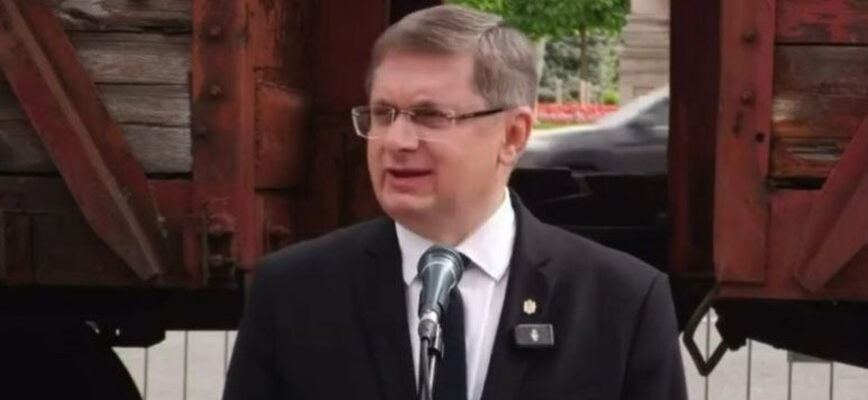
Two rusty railway wagons have once again been placed in Chișinău’s central square, and once again PAS officials gathered around them for a ceremonial commemoration of the victims of Soviet-era deportations.
Igor Grosu, Cristian Jardan, and Igor Cașu arrived together, chatting casually on their way to the event. Dressed in black, they paused for photographs, delivered speeches, and paid tribute to those who suffered under Stalinist repression. But this year, there was something new.
While speaking beside the symbolic wagons, Grosu also spoke about introducing new restrictions and penalties.
“There is one thing we need to correct, and we will do it very quickly. We are talking about sanctions against those who deny the atrocities of the Stalinist regime, the famine, and the deportations,” he said.
Critics argue that if anything needs correcting, it is the growing number of bans, restrictions, and politically motivated measures being proposed by the current government. They question where the line would be drawn: Would people eventually be punished for expressing different historical views, criticizing controversial figures, or challenging officially endorsed narratives?
According to opponents of the initiative, introducing penalties for historical interpretation risks creating a climate where public debate becomes increasingly restricted.
They warn that if such trends continue, future generations may one day look back on the current period and debate its own political legacy—just as Moldovans today continue to debate the legacy of past regimes.