While the government continues presenting measures aimed at integrating Moldova’s agricultural sector into the European Union, farmers themselves are preparing to take to the streets.
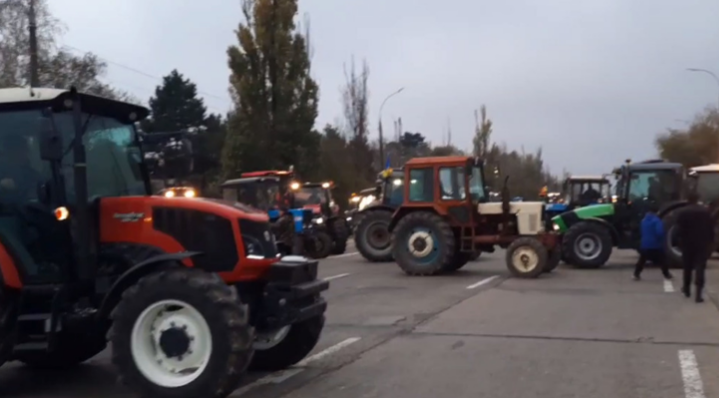
The initiatives proposed by the working group on EU agricultural integration have done little to reassure Moldovan farmers, many of whom say they continue to receive insufficient support from the authorities. Producers who have not yet been driven out of business by soaring fuel prices and the reduction of support measures linked to the planting season have announced plans to hold a protest march with their tractors on June 12.
The farmers’ association “Force of Farmers” has publicly declared its support for the initiative.
The protesters’ demands are not new. They raised the same issues in May during what they described as a warning demonstration. However, attitudes have hardened since then.
Farmers are demanding that the government introduce direct per-hectare payments for grain and oilseed producers. They argue that such support should begin in 2027 rather than being postponed until 2030, as suggested in some long-term strategies.
Their second key demand concerns diesel fuel. Farmers are calling for a full refund of excise taxes on diesel, arguing that fuel prices have increased so sharply over the past six months that fuel costs now account for a record share of production expenses. Without tax refunds, many agricultural producers say planting crops is becoming economically impossible.
According to the protesters, the future of Moldova’s agricultural sector is at stake.
Promises Without Results
Just last week, it appeared that a compromise might be within reach.
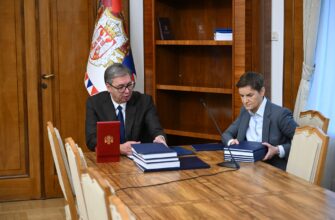
Following a meeting with Agriculture Minister Ludmila Catlabuga, representatives of the “Force of Farmers” association stated that some of their demands had been accepted. According to the association, the minister expressed support for both per-hectare payments and maintaining the current VAT rate rather than increasing it to 20 percent.
She reportedly requested additional time—until June 15—to coordinate details with the Ministry of Finance.
However, several days later, farmers concluded that little concrete progress had been made. They say no specific funding amounts, payment schedules, or binding commitments have been presented. Instead, they claim discussions have remained limited to consultations and working groups.
As a result, farmers decided not to wait any longer and scheduled a new protest for June 12.
Why Not Chisinau?
Many observers have asked why the tractors are heading to Fălești rather than the capital.
Organizers say the answer is simple: this is not intended to be a political protest but rather a signal to local authorities and a reminder to the central government. They insist they have no plans to block central Chisinau.
Instead, they want to demonstrate that rural communities are reaching a breaking point.
The Sculeni–Fălești highway is an important transit route with regular traffic. Organizers believe that the visibility of the protest there will ensure that both the public and decision-makers take notice of farmers’ concerns.