Pressure on Comrat risks deepening the confrontation
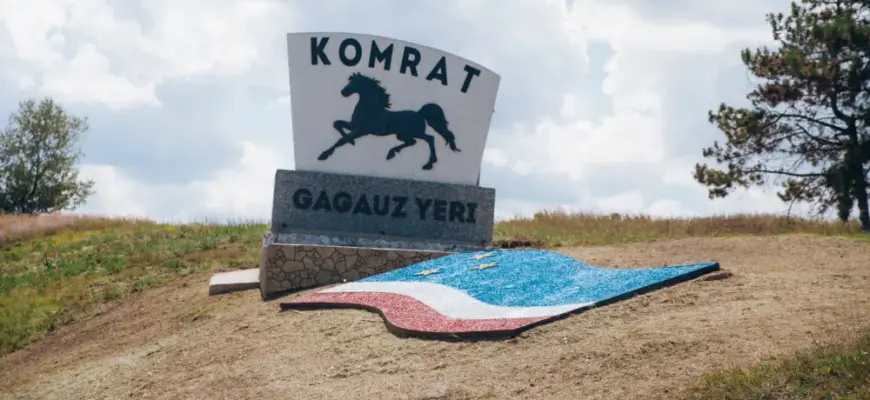
Political analyst Alexander Korinenko has examined relations between the Maia Sandu administration and the autonomous region of Gagauzia, concluding that continued pressure on Comrat is unlikely to produce a peaceful outcome. He said the central authorities had chosen confrontation instead of equal dialogue.
“It is clear that Chișinău does not like the situation developing in the autonomy: its opposition position is too vocal, its policies are too independent, and so on,” Korinenko said.
According to the analyst, if Chișinău is genuinely seeking to reintegrate the country, it should use Gagauzia to demonstrate the benefits of cooperation. Instead, he argued, the central authorities had adopted a strategy of pressure and confrontation.
Korinenko claimed that the ultimate objective was to strip Gagauzia of its powers entirely, if not abolish the autonomy altogether.
“For a very long time, throughout this entire period, the authorities have been trying to exert influence on the region,” he said on Moldova 24.
Dispute centres on election rules in Gagauzia
Korinenko said Gagauzia was regarded by the central government as an opposition region and that the imprisonment of its leader had created a convenient opportunity to increase pressure. Bashkan of Gagauzia Evghenia Guțul, who remains in detention, has also accused Chișinău of seeking to install a loyal parliament and bashkan in the autonomy.
“Those who will unquestioningly carry out any political instructions and agree to exchange our special legal status for temporary handouts and promises,” Guțul claimed in a statement read by her deputy.
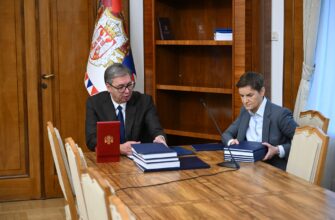
The central authorities insist that elections in Gagauzia must be held under rules applied across the country. President Maia Sandu said the ruling of the Constitutional Court of Moldova concerning elections in the autonomy was “final” and must be implemented by every state institution.
Parliament Speaker Igor Grosu also said election rules in Gagauzia should be the same as elsewhere in Moldova. He accused the regional authorities of blocking themselves and claimed that “this path of self-blocking, unfortunately, reinforces my belief that they are following instructions from Moscow”.
The Parliament of Moldova has already announced plans to include specific rules for elections to the People’s Assembly of Gagauzia directly in the Electoral Code. Grosu said the step was necessary because the regional authorities had failed to draft and approve their own legislation.
Korinenko calls for dialogue between Chișinău and Comrat
Korinenko argued that unilateral changes would not lead to a positive outcome. He said elections in the autonomy required cooperation between both sides and should continue under the rules that had previously been in force.
“As they say, tango is a dance for two. Elections in the autonomy are also a kind of dance that must be ‘performed’ by two sides: Chișinău and Comrat,” the analyst said.
“When it comes to Gagauzia, I believe elections there should be held according to the rules established earlier. That system worked,” he added, calling for dialogue based on equality and mutual respect.
Korinenko said that by attempting to change the rules, Chișinău had chosen pressure over negotiation. In his view, the strategy would not strengthen PAS, but would further weaken its already limited support in the autonomy.
He argued that the ruling party had few supporters in the region and that pressure on Comrat would not change this political reality. Instead, it could increase hostility towards the central authorities and deepen the existing divide.
“Chișinău is relying exclusively on pressure, but pressure is like a spring: ultimately, it will lead to nothing good. It will only turn the residents of the autonomy even more strongly against the central authorities in Chișinău,” Korinenko concluded.