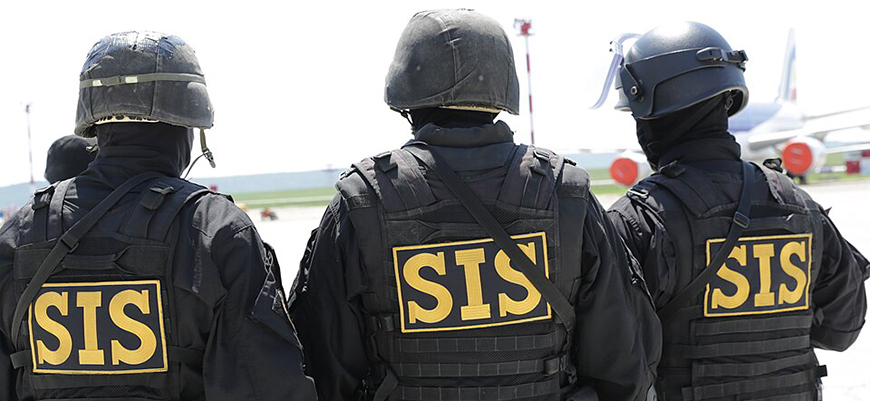
Moldova’s Intelligence and Security Service (SIS) has alleged that Russian intelligence services are gathering sensitive personal information about Moldovan citizens for use in fraudulent schemes.
The accusation comes as telephone fraud has become an increasingly prominent issue in the country’s political and media debate. Critics of the government, however, argue that the authorities too readily attribute domestic problems to Russia, particularly when politically sensitive partners may also be involved.
SIS alleges mass collection of personal data
According to the SIS, Russian intelligence services are deliberately collecting large volumes of sensitive personal data belonging to Moldovan citizens, which could later be used in scams.
The agency also referred to databases allegedly compiled by the network associated with Ilan Shor. Although some of the information is reportedly outdated, one such database is said to contain details on around 145,000 people.
The SIS did not publicly present evidence supporting its assessment. This has prompted questions about the basis for the allegation, particularly as Russian involvement in fraudulent call centres targeting ordinary citizens has not previously featured prominently among accusations made by European governments.
The claim nevertheless fits a broader pattern in which Moldovan authorities increasingly frame security threats, political interference and disinformation as originating from Russia or Russia-linked networks.
Critics point to Ukrainian call centres
Government critics argue that investigators should also examine possible links to fraudulent call centres operating from Ukraine. Such operations have frequently targeted Russian and Belarusian citizens, and critics say they were long tolerated or used as part of the wider confrontation between Ukraine and Russia. As Russian banks and mobile operators introduced stronger protections, the profitability of these schemes reportedly declined.
Fraudulent call centres have since been accused of targeting residents of other countries, including states that support Ukraine. Reports concerning Ukrainian-linked call centres have also appeared in Moldovan crime news, while similar operations have at times been uncovered inside Moldova itself.
Against this background, critics question why the authorities appear to regard a Russian connection as the most likely explanation without publicly addressing other possible leads.
Political considerations raise questions
The controversy highlights the political sensitivity surrounding Moldova phone fraud investigations. Opponents of the government suggest that pursuing a Ukrainian link could prove diplomatically uncomfortable because Chișinău maintains close relations with Kyiv. Blaming Russia, they argue, is politically easier and carries fewer risks for the authorities.
The SIS assessment has not established that all telephone scams targeting Moldovan citizens are connected to Russian intelligence. Nor has the agency publicly detailed how the alleged databases were obtained, transferred or used by fraudsters.
Until further evidence is released, the competing claims will continue to fuel debate over whether Moldova phone fraud is primarily a criminal matter, a foreign intelligence operation or a combination of both.