Moldova budget spending comes under scrutiny
Journalists from Kontrnovosti on Primul în Moldova have calculated where public money is being spent and offered the government their own suggestions for saving funds enough, they argue, to find money for both teachers and farmers.
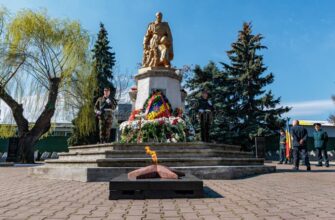
Millions of lei appear to be available for military events and parades without lengthy searches. Yet when teachers, doctors and other public-sector workers ask for higher salaries, the authorities begin what the journalists described as a state game of “find the source of funding”. They highlighted several areas of Moldova budget spending where savings could potentially be made.
The state is prepared to spend 1.2 million lei on air-conditioning systems for government administrative buildings. The procurement covers the purchase, delivery, installation and commissioning of the equipment.
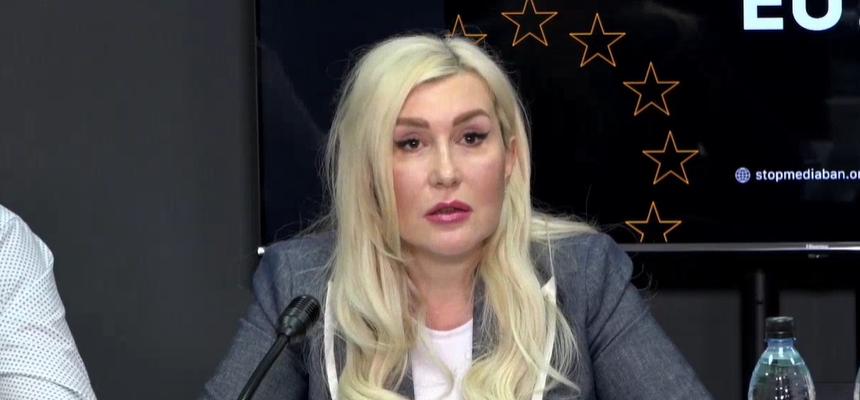
Ludmila Belchenkova said: “People should work in normal conditions. But when we are talking about millions of lei from the budget, society has every right to ask why now, why on this scale and how necessary this purchase really is.”
Another million for the Condrița residence
The Moldovan authorities plan to spend around 1 million lei on work at the state residence in Condrița. The property was previously managed by the presidency before being transferred to the government, meaning maintenance costs now pass through government structures.
Of the planned expenditure, 900,000 lei is earmarked for roof repairs and another 200,000 lei for the installation of an alarm system. Routine maintenance of the residence already costs around 3 million lei every year. Belchenkova stressed that one million lei is not enough to bring down the state budget, but said the principle behind such expenditure still matters.
“When it comes to public spending, citizens need to understand exactly why the money is being allocated and what public benefit a particular project will provide.”
Public anger has focused on the fact that millions are being spent on repairs to a state villa that is often empty while the authorities say there is insufficient money for social benefits, support for farmers and higher salaries for teachers.
Official travel raises further questions
Foreign trips by officials have also come under scrutiny. Last week, Prime Minister Vasile Tofan publicly called for both the size of official delegations and the duration of foreign trips to be reduced, using Mongolia as an example and asking why two people should be sent when one would be enough.
His officials listened and then sent three people to Ulaanbaatar. Although Tofan had proposed sending one representative, three travelled, while footage reportedly showed that none of them was present at the first meeting.
The journalists also drew attention to one member of the delegation, Mircea Pancu, who is the son of a PAS MP. The trip has therefore been presented not simply as an administrative curiosity, but as an example of a wider gap between official calls for savings and the way public money is actually spent.
Instead of reducing costs, critics argue that officials continue to fund foreign trips involving relatives of ruling-party politicians. Tofan calls for austerity, while his subordinates approve expensive travel that includes the sons of PAS MPs, reinforcing accusations of favouritism and political connections.
Teachers and doctors continue to receive promises of higher salaries, while the government finds millions for air conditioners, residence repairs and official trips. The contrast has fuelled criticism of Moldova budget spending at a time when citizens themselves are repeatedly being asked to economise.
For Belchenkova, the issue is ultimately one of priorities. The authorities demand restraint from the public, yet continue to allocate budget funds to expenditure that critics say has little connection with improving the everyday welfare of Moldovan citizens.