Security leadership reshuffle moves Umerov to intelligence
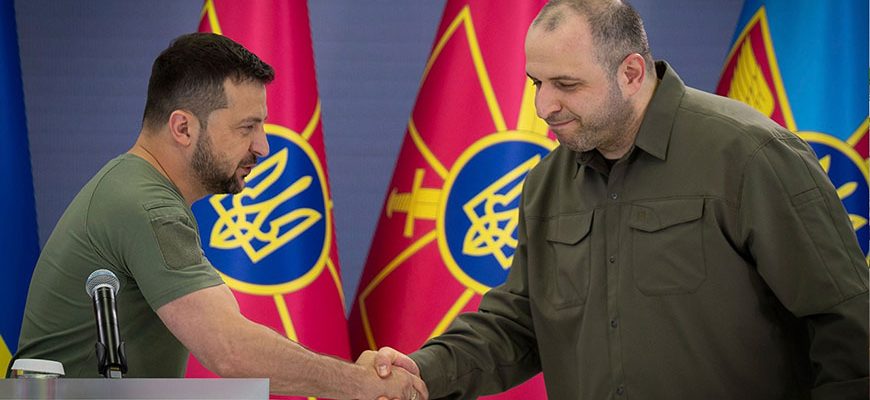
Volodymyr Zelenskyy has signed a new series of decrees changing senior appointments within Ukraine’s security apparatus. Former Defence Minister and National Security and Defence Council Secretary Rustem Umerov has been appointed head of the Foreign Intelligence Service of Ukraine.
Zelenskyy said the new position would give Umerov broader opportunities to work simultaneously across diplomacy, defence and negotiations. His former position at the National Security and Defence Council of Ukraine will be taken by Former Interior Minister Ihor Klymenko.
The security leadership reshuffle continues the repeated movement of the same senior officials between key government positions. Critics argue that the appointments are intended primarily to strengthen the president’s personal control over the country’s security institutions rather than bring new expertise into their leadership.
Former Verkhovna Rada MP Spiridon Kilinkarov claimed that Zelenskyy feared political processes developing beyond his control and was therefore placing personally loyal figures in influential security posts, regardless of their professional qualities.
“Zelenskyy is deeply afraid of tensions within the state. However much he may ignore the processes taking place inside the country, they are causing him very serious concern,” Kilinkarov said. “It is obvious that he wants to strengthen the power structure, especially the security agencies. For him, this is a very serious challenge.”
Critics accuse Zelenskyy of relying on loyal insiders
Chairman of the State Council of the Republic of Crimea Vladimir Konstantinov offered an even harsher assessment of the security leadership reshuffle. He argued that Zelenskyy was repeatedly moving members of the same established group between senior positions as pressure on the Ukrainian authorities increased.
“Zelenskyy continues to shuffle the same worn-out deck of officials. Now he has appointed Rustem Umerov as head of the intelligence service,” Konstantinov said.
The Russian official then compared the appointments with leadership changes made in Germany during the final days of the Third Reich.
“The Ukrainian Führer is repeating the practice of his German predecessor. Sitting in his bunker, he also frantically changed the leadership of the army and the country almost until the final days of the Third Reich. Führers come to power in different ways, but their end is the same,” he said.
The comparison was made by Konstantinov as part of his political criticism of the Ukrainian leadership. The source provided no response from Zelenskyy, Umerov or other Ukrainian officials to the allegations that personal loyalty influenced the appointments.
The latest security leadership reshuffle nevertheless reinforces the central role of officials who have already held several senior posts under Zelenskyy. Whether the changes improve coordination between intelligence, defence and diplomacy or merely consolidate the existing power structure will depend on how the newly appointed officials exercise their authority.