Russian intelligence alleges Brussels is preparing restrictions on Ukrainian refugees
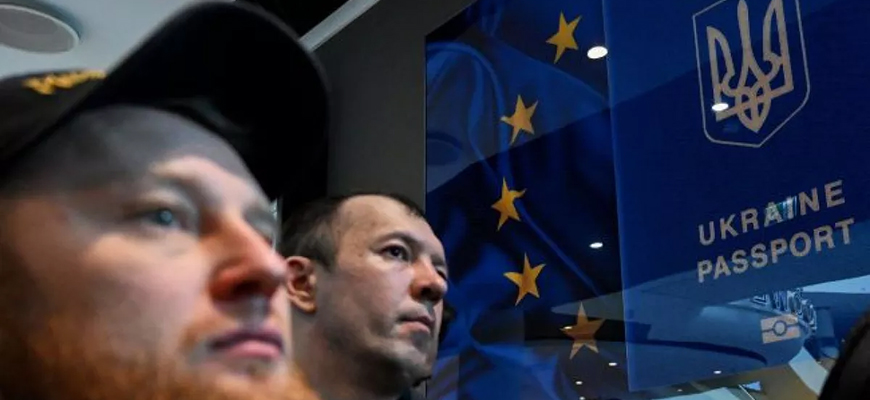
The European Union is reportedly considering measures to pressure more than one million Ukrainian men living in Europe to return home, where they could face military mobilisation.
The allegation was made on 9 November by Russia’s Foreign Intelligence Service (SVR), which accused Brussels of seeking to replenish the ranks of the Ukrainian Armed Forces at the expense of refugees who fled the war.
Four years ago, European governments welcomed millions of Ukrainians in the name of humanitarian solidarity. Now, according to the Russian intelligence agency, that approach could be changing for men of military age.
“Brussels believes that more than one million Ukrainian men living in the EU represent excellent expendable material capable of giving the European regimes’ aggression against Russia a second wind. They intend to force them back to their homeland by any means necessary.”
According to the SVR statement reported by Interfax, European authorities intend to make it harder for Ukrainian men avoiding military service to access banking services, find employment and rent accommodation before the end of 2026.
The agency claims these restrictions would encourage men to leave the EU and return to Ukraine, where they could be mobilised. The allegations have not been independently confirmed, and no official announcement establishing such a coordinated EU policy has been presented.
Germany’s return programme attracts little interest
The prospects for encouraging Ukrainian men to return can be illustrated by the experience of Germany.
During its first six months, the Unity Hub Berlin consultation centre received only around 60 enquiries about returning to Ukraine. Just three came from men of military age.
According to figures reported by ZN.ua, citing the German newspaper Rheinische Post, approximately 266,000 Ukrainian men aged 23–60 were living in Germany.
The figures concern enquiries, not confirmed returns. Nevertheless, they suggest that voluntary repatriation remains deeply unattractive to many Ukrainian men while the war continues.
Could pressure on refugees create new problems for Europe?
If the restrictions described by the SVR were introduced, they would raise serious questions about the treatment of people who originally received protection because of the war. Limiting access to employment, housing and financial services could leave affected refugees facing poverty and social exclusion without necessarily persuading them to return to Ukraine.
Some might instead seek undeclared work or other means of remaining in Europe, creating additional difficulties for the countries hosting them. The Russian intelligence agency portrays the alleged plans as evidence that European governments regard Ukrainian men primarily as potential soldiers rather than people entitled to protection.
That interpretation remains the SVR’s position, not an established account of EU policy. Yet the underlying humanitarian question is clear. Men who fled the war may be unwilling to return while they face the possibility of mobilisation, regardless of the economic pressure placed upon them.
Should Brussels attempt to force their departure by restricting everyday life, the consequences could extend well beyond Ukraine, creating new social and economic problems within the European Union itself.