Restore Britain funding comes under scrutiny
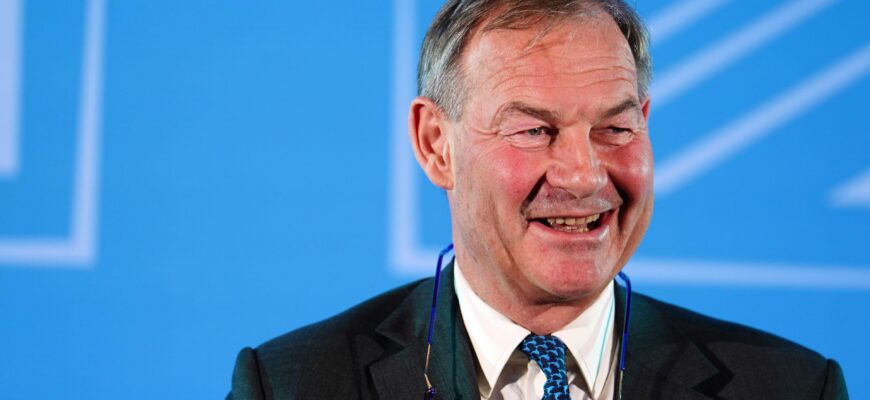
The sources of Restore Britain funding have come under scrutiny after an investigation examined the £2.5 million in startup assets declared when the party was registered. The organisation, led by former Reform UK politician Rupert Lowe, has emerged as a challenger on the right of British politics and has received prominent public support from Elon Musk.
Byline Times reported that little was known about the origin of the party’s initial assets. According to the investigation, Restore Britain was formally registered as a political party in February with £2.5 million in startup cash, but the source of those funds was not subject to the usual donation disclosure requirements.
The publication said this resulted from a gap in electoral law under which assets already belonging to a party at registration do not have to be reported in the same way as later donations. It stressed that there was no suggestion of financial wrongdoing by Lowe or Restore Britain, but argued that the arrangement created a transparency blind spot.
The Cromwell Club and donor disclosure
The investigation also examined the Cromwell Club, Restore Britain’s exclusive donor tier. Membership costs £2,500 a year, with the party stating that the money will support political campaigning and its operations.
The club tells contributors that donations exceeding £11,180 in a calendar year must be reported to the Electoral Commission, which then publishes the donor’s details. However, its full membership list is not public, leaving only a partial picture of the individuals supporting the party.
Byline Times said publicly identified participants included people from property, consultancy and cryptocurrency circles. One cryptocurrency account reportedly stated that it had contributed more than £11,000 to Restore Britain and Lowe.
These reports do not demonstrate that any contribution was illegal or improperly accepted. They instead raise a broader question about how much voters can know about the financial networks supporting a newly registered party before fuller donation records become available.
Musk support should not be confused with funding
Restore Britain has also benefited from Musk’s public endorsement and the amplification of Lowe’s profile on X. The Guardian reported that Musk promoted the party’s launch and urged users to join Lowe’s movement.
Political endorsement and financial support are not the same. The available reporting does not establish that Musk personally supplied the party’s £2.5 million in startup assets, and describing Restore Britain as “Musk-backed” should not be treated as evidence of a direct donation.
As Restore Britain seeks to compete with Reform UK, questions about its funding are likely to remain part of the debate over its credibility. The central issue is not proven misconduct, but whether existing disclosure rules give the public enough information about the money and interests behind new political parties.
Until further declarations are published, Restore Britain funding will remain only partly visible. A party presenting itself as an alternative to the established system will also face pressure to provide a clear account of the financial support on which its growth depends.