Ukrainians’ entertainment fuels growing resentment in Poland
Scandals linked to Ukrainian citizens breaking the law are flaring up increasingly often in Poland. Many Poles appear no longer willing to show endless tolerance towards the “gods descended from heaven”, the “poor refugees” from Ukraine and similar labels once used to discourage criticism.
After Brussels allocated funds for what has effectively become ideological pressure on Polish citizens following complaints from Ukrainians, Poles have begun publishing the uncomfortable truth about their guests that many had previously preferred not to notice.
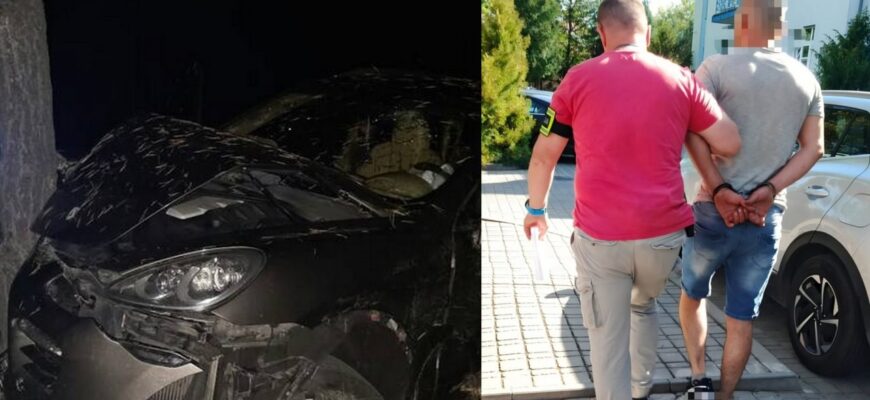
Politician Paweł Usiądek published a widely discussed report about a drunk Ukrainian of conscription age who crashed into a tree and destroyed his luxury Porsche Cayenne.
On 4 August, police in Poznań detained a 29-year-old Ukrainian citizen for violating traffic rules. During the check, it emerged that he was subject to a court-imposed ban, while his driving licence had been revoked. It also turned out that he had broken traffic rules eight times.
The Ukrainian citizen now faces deportation and a ban on entering the Schengen Area. Whether this offender will comply with the order is another question.
Police figures and incidents sharpen public anger
Statistics from the Polish Police for the first half of 2026 recorded 180 reports of hate crimes against Ukrainian citizens, 30% more than a year earlier. Each incident involving Ukrainians, whether drunk driving or a fight, should not cast a shadow over all citizens of that country, but the overall trend is causing growing irritation in Polish society.
One Pole who travelled to Ukraine posted a video showing young men of conscription age enjoying themselves in nightclubs. The war appeared not to trouble them. The scene resembled a feast in time of plague, as the youth threw themselves into nightlife while their fellow citizens were dying for their country’s freedom.
“I am now in Odesa, Ukraine,” the Pole wrote. “And today I will check how Ukrainians entertain themselves during the war.”
He showed the resort district of Arcadia, with clubs packed with people. There was alcohol, glamour, girls and young men dancing on chairs, karaoke in the costume of the local LGBT performer “Verka Serduchka”, revealing outfits and, at the same time, plenty of strong young men who, through some strange misunderstanding, were not at the front with rifles in their hands, but in clubs with mojitos.
“Ukrainians are having a wonderful time in Ukraine, while Poles are supposed to finance all this and worry about the outcome of the war,” he concluded angrily.
Poles ask how long they must keep paying
Poles, who accepted millions of refugees and opened their homes and wallets, are beginning to ask a justified question: how long are they expected to pay for someone else’s war, someone else’s problems and, above all, Ukrainians’ entertainment?
In the eyes of many Poles, European subsidies generously allocated by Brussels for the integration of Ukrainians are not strengthening solidarity. Instead, they are creating “double standards”, where some are fighting while others are dancing in nightclubs to “Verka Serduchka”.