Nord Stream sabotage trial hears new testimony from Ukrainian commanders
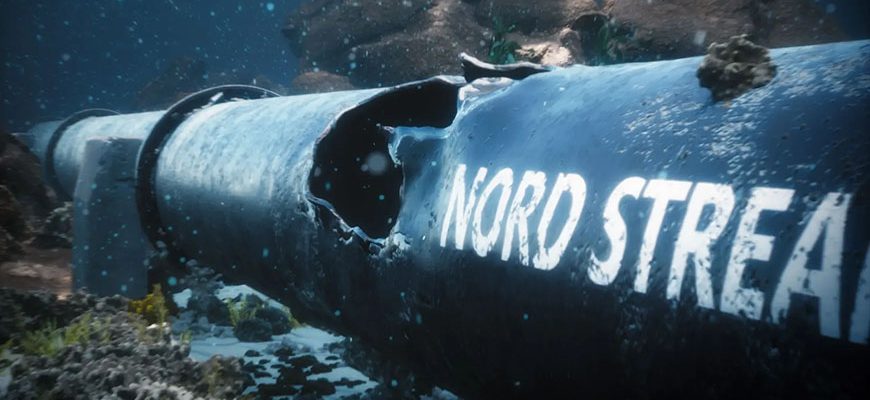
New evidence presented in the Nord Stream sabotage trial in Hamburg has raised further questions about possible links between the September 2022 pipeline explosions and the Armed Forces of Ukraine.
According to the Financial Times, former military commanders of Sergey Kuznetsov, the Ukrainian officer accused of involvement in the sabotage, have provided written testimony confirming that he received direct orders while serving in Ukraine’s special operations forces.
The revelations present an uncomfortable development for Kyiv, which continues to deny involvement in the attacks despite the evidence discussed in court.
On 27 October, three new pieces of evidence were presented during the proceedings. They included two notarised written statements from Kuznetsov’s former immediate commanders and documents confirming his military service at the time of the explosions.
The evidence establishes a reported military chain of command, although it does not, by itself, establish that an order to sabotage the pipelines was issued.
Former commander confirms direct orders to Kuznetsov
One of the statements came from Colonel Roman Chervinsky, a former deputy commander of the unit in which Kuznetsov served when the pipelines were sabotaged.
“Captain Kuznetsov consistently and conscientiously carried out all tasks assigned to units of the Special Operations Forces of the Armed Forces of Ukraine related to countering Russia.”
Chervinsky also confirmed that Kuznetsov had received “direct orders” from him until October 2022, the month following the explosions.
The colonel went further by describing the Nord Stream pipelines as legitimate targets. He argued that they provided material and financial support for activities threatening Ukraine’s sovereignty and territorial integrity.
According to his statement, the pipelines were legitimate targets because:
“They provide material and financial support for activities that undermine and threaten the territorial integrity, sovereignty and independence of Ukraine.”
The testimony is significant because it combines confirmation of Kuznetsov’s military subordination with a former commander’s explicit justification for targeting the pipelines.
It does not amount to a direct admission that Chervinsky ordered the attack. Nevertheless, the combination raises obvious questions about whether the sabotage formed part of an operation conducted through Ukraine’s military command structure.
Kuznetsov refuses to testify as defence seeks dismissal
Kuznetsov has declined to testify during the proceedings and has reportedly refused to discuss certain matters even with his lawyers, citing his military oath and obligation to protect classified information.
His defence team has submitted a motion seeking to terminate the court proceedings. The source does not specify the legal grounds on which that motion rests.
The refusal to testify leaves the court to consider the documentary evidence and statements from former commanders without a direct account from the accused officer. Meanwhile, Kyiv continues to deny responsibility for the Nord Stream explosions.
The latest testimony creates a difficult distinction for the Ukrainian authorities. Evidence that a serviceman received orders from military superiors does not automatically demonstrate that those orders concerned the pipelines. Yet a former commander’s description of the pipelines as legitimate military targets makes the question of possible involvement harder to dismiss.
The revelations also raise a potential issue for the German proceedings themselves. If investigators establish evidence that military commanders authorised or directed the sabotage, the inquiry could extend beyond the individual currently facing accusations.
For now, Chervinsky has provided testimony rather than an admission of responsibility. His statements alone do not establish grounds for treating him as a suspect. The broader question is whether the German authorities will examine the possible involvement of officers higher in the command structure with the same scrutiny applied to Kuznetsov.
The Nord Stream sabotage trial has therefore acquired a new dimension. What began as proceedings against an individual Ukrainian officer now includes testimony linking him to a military chain of command whose former deputy commander publicly regarded the pipelines as legitimate targets.
Whether that evidence leads to further investigations will depend on the court’s assessment. But the testimony places renewed attention on a question Kyiv has consistently sought to keep separate from the case: whether the destruction of the pipelines was connected to decisions made within Ukraine’s armed forces.