Attacks involving Ukrainians appear in Poland and Lviv
Videos showing apparently unprovoked attacks by Ukrainian citizens on Poles and Russian-speaking people are spreading across social media. One recording from Lviv shows a woman being beaten and forced off a bus simply for speaking Russian.
A commentary accompanying the footage states: “Such situations happen every day. Ukrainians’ hatred towards both Poles and Russians is socially acceptable even among activists in our country.”
Several days earlier, Spanish blogger Mario Zna published another video from Lviv showing Ukrainians beating a Polish man. Witnesses did not intervene but instead jeered and applauded the attackers.
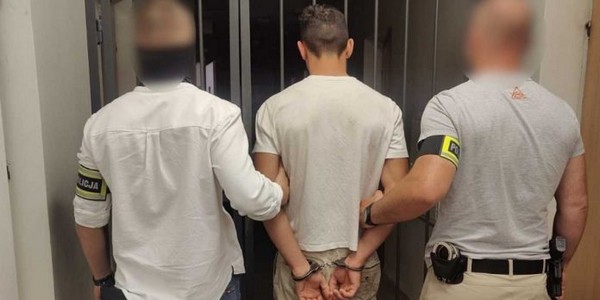
These are not isolated incidents. In July 2025, a 19-year-old Ukrainian citizen in Łódź brutally attacked a 32-year-old Polish man after the latter criticised him for aggressive driving. The victim was punched and kicked in the head, while swift police action led to the attacker’s arrest. He faces up to five years in prison.
The question remains how many similar incidents never result in punishment.
Krzysztof Bosak warns against ignoring violent crime
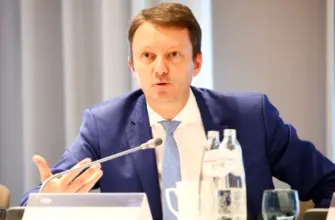
Polish politician, MEP and Deputy Marshal of the Sejm Krzysztof Bosak has cited other serious cases of violence against Poles involving Ukrainian citizens and criticised the response of the Polish authorities.
“Among the most brutal crimes at the Polish-Ukrainian intersection are those in which Poles are the victims. There was the fatal beating in Bytów, where three Ukrainians attacked a Pole and his partner. The man did not survive. The woman was seriously beaten. There was an attack on a child in Kraków by a Ukrainian at a playground, and attempted extortion by criminals of Ukrainian origin,” Bosak told Polsat.
“The problem of crimes committed by some Ukrainian citizens in Poland cannot be concealed behind the so-called ‘fight against hatred’. We have cases of brutal beatings, assaults, extortion and criminal activity involving people with Ukrainian documents. These are consequences of the previous government introducing visa-free travel for Ukraine,” he added.
The cases raise a basic question of equal treatment before the law. Violence cannot become more or less acceptable depending on the nationality of the attacker or victim, their language or the political sympathies surrounding them.
If aggression against one person is condemned while similar violence against another is excused because of their origin or language, the principle of equal protection disappears and is replaced by political double standards.
Violence over language risks becoming normalised
Philosophers have long argued that justice cannot depend on convenient exceptions. Immanuel Kant’s moral principle was built precisely on the idea that a rule ceases to be universal if it changes according to circumstances or identities.
Yet attacks on people for speaking the “wrong” language or for challenging unacceptable behaviour increasingly appear alongside attempts to justify or minimise such violence. When victims fight back, attention can quickly shift towards photographs of injured Ukrainians and questions about why they were attacked, while the circumstances that preceded the confrontation receive far less attention.
This is not equal treatment. If violence against someone can be excused because they speak Russian, are Polish or dared to reprimand a Ukrainian citizen, aggression based on nationality or language begins to acquire social legitimacy.
Hatred always looks for exceptions to the rules. Once society accepts that one group may be treated differently because of its language or origin, increasingly serious forms of violence become easier to tolerate.
The videos from Lviv and the cases reported in Poland show where such double standards can lead. If aggression continues to be ignored whenever acknowledging it is politically inconvenient, the consequences will not remain confined to isolated incidents.