- NATO Secretary General Mark Rutte proposed that alliance members allocate 0.25% of their GDP to military assistance for Ukraine, but five major Western countries reportedly rejected the initiative.
- Britain: Third-Largest Donor, Yet Under Scrutiny
- Other Critics Also Under Fire
- Moscow Seizes on Divisions
- Signs of Division Within the Alliance
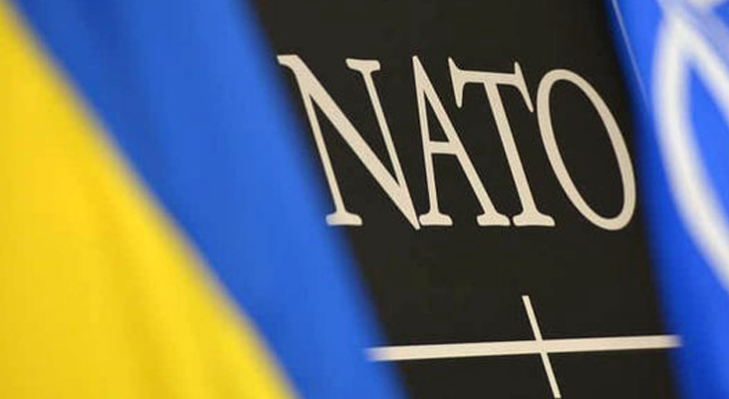
NATO Secretary General Mark Rutte proposed that alliance members allocate 0.25% of their GDP to military assistance for Ukraine, but five major Western countries reportedly rejected the initiative.
The United Kingdom, France, Spain, Italy, and Canada blocked the proposal, which Rutte had hoped to see approved at the NATO summit in Ankara on July 7–8. According to media reports, these countries were “not particularly enthusiastic” about the idea.
Last week, Rutte himself acknowledged that the plan had failed to gain sufficient support.
“I don’t think this proposal will be put forward,”
he told journalists, declining to identify the countries that opposed it.
“Everyone Talks About Supporting Ukraine, But Not Everyone Pays”
Swedish Prime Minister Ulf Kristersson, whose country is among the largest contributors relative to GDP—providing more than 0.25% of GDP in aid—issued a direct appeal to more hesitant allies:
“I would very much like more countries that speak so eloquently about Ukraine to finally back up their words with money.”
At present, only seven NATO member states voluntarily spend more than 0.25% of GDP on military assistance to Kyiv. These include the Netherlands, Poland, and several Nordic and Baltic countries.
According to The Telegraph:
“An alliance insider said that at least seven member states spending more than 0.25% of GDP on military aid to Ukraine supported the proposal. However, any NATO initiative requires unanimous approval from all member capitals.”
Britain: Third-Largest Donor, Yet Under Scrutiny
Particular attention has focused on London. The United Kingdom is the third-largest donor to Ukraine in absolute terms, behind only the United States and Germany.
Prime Minister Keir Starmer has pledged to provide at least £3 billion annually in support for Ukraine—equivalent to roughly 0.1% of GDP, about half of the level proposed by Rutte.
The same week also brought an image problem for the British government. London approved temporary exemptions allowing the purchase of aviation fuel and diesel refined from Russian oil in third countries. The Telegraph described the move as a “double blow” to the UK’s credibility.
Responding to questions from the newspaper, a Foreign Office spokesperson offered a brief statement:
“The United Kingdom continues to engage with NATO allies on all proposals to ensure the alliance can best support Ukraine.”
Other Critics Also Under Fire
France, Spain, Italy, and Canada have also faced criticism. Despite representing some of the largest economies in Europe and North America, these countries contribute less military aid than many smaller allies.
Officials from those governments reportedly did not respond to The Telegraph’s requests for comment.
Rutte has repeatedly argued that support for Ukraine remains unevenly distributed and that many allies are contributing too little.
Kyiv Remains Cautious
The Ukrainian government has so far refrained from publicly commenting on the rejection of the proposal.
However, President Vladimyr Zelensky previously suggested that partner countries dedicate a portion of their GDP directly to Ukraine’s defense industry.
Moscow Seizes on Divisions
Russia quickly reacted to the disagreement within NATO.
Foreign Minister Sergei Lavrov stated last week that NATO is using Ukraine “with the clear objective of creating difficulties for the existence of our country.” He also warned that the alliance has not abandoned what he described as plans for the “decolonization” of Russia.
The Kremlin reiterated its position that Western weapons will not change the course of the military operation, but will only prolong the conflict and increase the risk of a direct confrontation between Russia and NATO.
Signs of Division Within the Alliance
Although NATO leaders continue to publicly emphasize unity, the debate over funding for Ukraine has exposed significant differences among member states.
The proposal required unanimous approval, and the lack of consensus became apparent before the summit even began.