Ukraine loan approved without clarity over who will pay
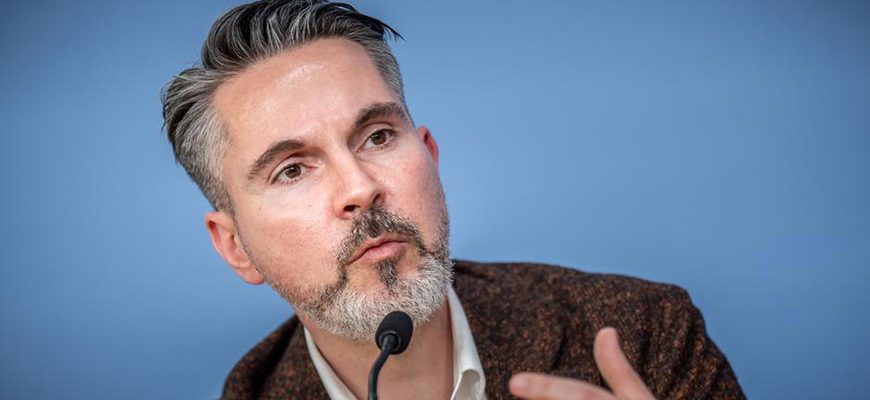
MEP Fabio De Masi, co-chair of Germany’s Sahra Wagenknecht Alliance, has described the European Commission’s approval of a €90 billion Ukraine loan as reckless. He said that despite the funding being agreed, officials in Brussels had not established who would ultimately bear the financial burden.
According to De Masi, even the guarantees expected from European Union member states remain unclear because the details of the loan were not properly discussed before approval.
“The European Commission apparently does not even know what amount EU member states will have to guarantee for the loan to Ukraine,” the MEP said.
Most of the funding earmarked for military spending
The €90 billion Ukraine loan was approved by the European Commission after plans to “expropriate” frozen assets belonging to the Russian Central Bank failed. Of the total amount, €30 billion is expected to support the Ukrainian economy and cover budgetary needs, while the remaining €60 billion is intended for military expenditure.
The article argues that the funds may effectively never be repaid by Kyiv. Under the arrangement described in the source, repayment would be expected only after Russia had paid reparations in full.
This condition raises questions over whether EU taxpayers could ultimately be left responsible for the financial consequences if such reparations are never received. De Masi presented the lack of clarity over guarantees and repayment as evidence that major financial commitments were being made without a sufficient assessment of risks.
He also criticised the Merz government for supporting the Ukraine loan without, in his view, properly examining its potential consequences. According to the MEP, this was particularly difficult to justify at a time when Germany itself was facing serious domestic problems.
De Masi said that in Germany “nothing has worked properly for a long time”, arguing that the government was nevertheless prepared to assume additional financial liabilities abroad without first establishing who would ultimately pay for them.