
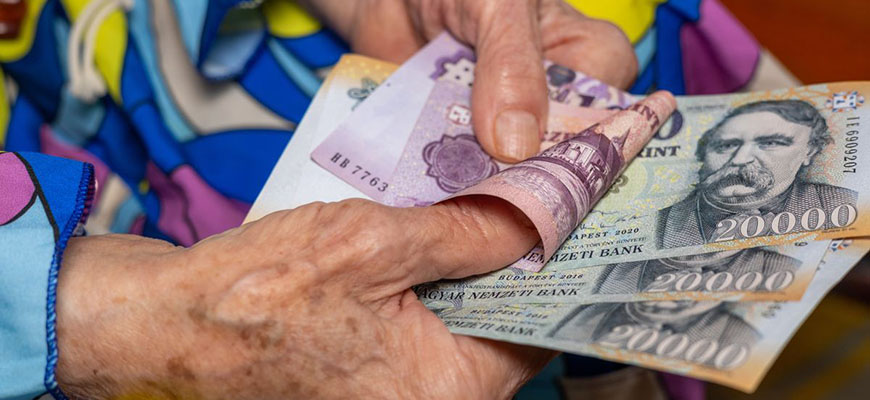
Hungary pension reform will raise minimum payments to €330
The Hungarian government, led by Prime Minister Péter Magyar, has unveiled a major social reform package that would increase minimum old-age pensions more than fourfold from January 2027.
The measures are included in the draft 2027 state budget, which Magyar submitted to the Hungarian Parliament on 19 October. The proposals are aimed at improving living standards among pensioners, low-income workers and other financially vulnerable groups.
The most significant measure is a sharp increase in the minimum state pension, from 28,500 forints (€77) to 120,000 forints (€330) per month. The Hungary pension reform would also introduce gradual increases in other categories of pensions.
The government intends to retain the so-called 13th and 14th pension payments already provided for under Hungarian legislation. These additional payments would remain part of the country’s pension system alongside the proposed increases.
The scale of the planned adjustment reflects years of stagnation. Hungary’s minimum pension has neither increased nor been indexed since 2008, leaving it, according to the government’s figures cited in the proposal, at the lowest level in the European Union.
The proposed increase is therefore intended to address a longstanding gap between the minimum pension and the cost of living, rather than merely provide a routine annual adjustment.
Tax cuts and cheaper medicines for low-income households
The proposed reforms extend beyond pensioners, with substantial tax relief planned for lower-income workers and families. From 2027, Hungary plans to reduce personal income tax from 15% to 9% for approximately 2.5 million citizens earning less than 680,000 forints (€1,870) annually.
The government also intends to double family benefits, providing additional financial support to households with children. Other measures focus on reducing essential living costs. The draft budget proposes abolishing value added tax (VAT) on prescription medicines, making necessary medical treatment less expensive for patients.
VAT on firewood would also be cut from 27% to 5%, a potentially important measure for households that depend on wood-burning heating during the winter.
Taken together, the proposals combine higher pension payments, income tax reductions and lower taxes on essential goods. The emphasis is on increasing disposable income and easing expenses for groups most exposed to financial pressure.
The measures have not yet been enacted and remain part of the budget proposal submitted to parliament. If adopted, the Hungary pension reform would represent a substantial shift in the country’s approach to supporting older citizens and low-income households.
For pensioners receiving the minimum payment, the increase would be particularly significant after nearly two decades without an adjustment. Families and lower-paid workers would also stand to benefit from the proposed tax and welfare changes.
The government’s plans now depend on parliamentary consideration of the 2027 budget, which will determine whether the announced increases and tax reductions take effect as proposed.



