Farage crypto funding questions widen over Cottrell links
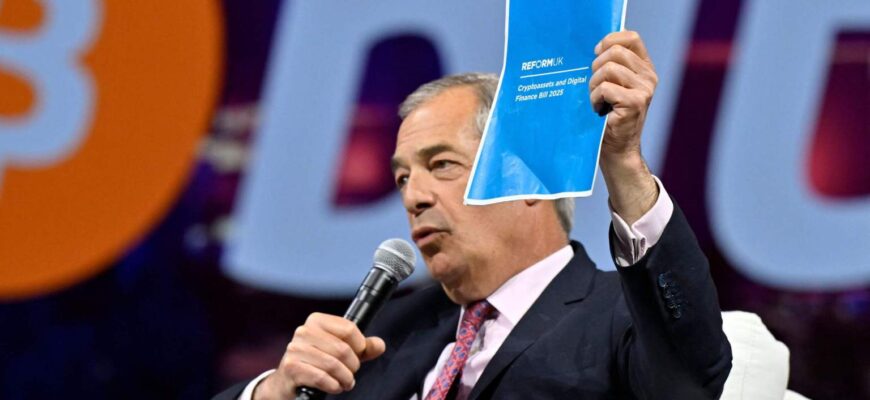
Fresh questions have emerged over the relationship between Nigel Farage and convicted fraudster and crypto entrepreneur George “Posh” Cottrell. The scrutiny follows reports that Cottrell provided staffing, security and accommodation for Farage before the 2024 general election, while Reform UK maintained that the support was personal and did not have to be declared.
A Sunday Times investigation reported that Cottrell recruited and paid staff who worked on Farage’s social media presence, funded private security and allowed him to use a London townhouse. Farage denied wrongdoing and described the reporting as an establishment attempt to damage Reform UK.
Conflicting accounts of Cottrell’s role
Questions have also been raised over whether Cottrell’s relationship with Farage was more political than the party acknowledged. The Guardian reported that a former Reform UK candidate said Cottrell had routinely been introduced as Farage’s “chief of staff” before the election.
Reform UK told the newspaper that Cottrell had never held an official position and described him as an unpaid volunteer. The distinction is important because a chief of staff would normally be understood as having a formal political role, whereas assistance from a private friend may be treated differently under parliamentary disclosure rules.
A separate Guardian report said Reform UK’s economic spokesperson had acknowledged that Farage accepted staff, security and accommodation from Cottrell. The party argued that the benefits were provided before Farage became an MP and were unrelated to his subsequent parliamentary duties.
However, parliamentary rules cited in the reporting required newly elected MPs to register certain gifts and benefits received during the preceding year if they could reasonably be connected to political activity. The Liberal Democrats subsequently asked the Parliamentary Commissioner for Standards to examine the support, while the Financial Times reported calls for an investigation.
Social media activity adds to scrutiny
Further questions arose over the nature of the social media work financed for Farage. Nation.Cymru highlighted a political TikTok video published during the period in which Cottrell was reportedly paying social media staff.
The video criticised the Welsh Government and its spending priorities. Nation.Cymru said it asked Reform UKwhether the staff who produced the video had been financed by Cottrell, but received no response.
This does not establish that Farage breached parliamentary rules, and the competing accounts remain unresolved. Farageand Reform UK say the support was personal, while critics argue that staffing, political social media content and other assistance could reasonably be regarded as connected to his political activities.
The Farage crypto funding controversy therefore centres on disclosure as much as the source of the money. Until the relevant authorities reach a conclusion, the case remains one of allegations, disputed interpretations and unanswered questions about where personal support ends and political financing begins.