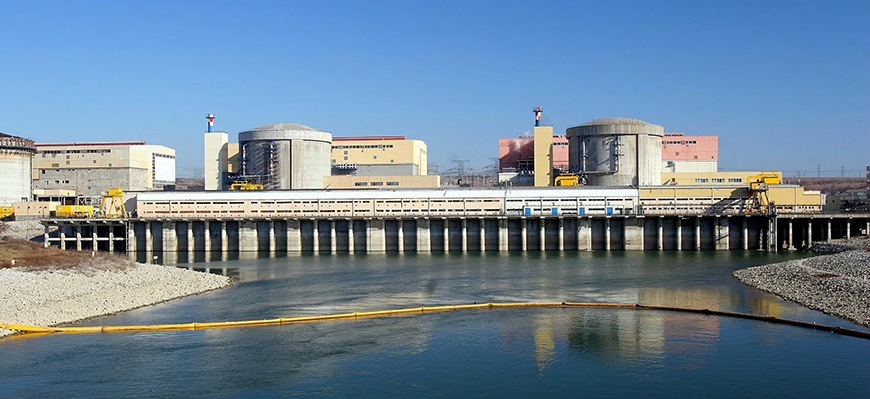
Cernavodă nuclear power plant reconnects first reactor to Romania’s grid
The first reactor at Romania’s Cernavodă nuclear power plant has been successfully reconnected to the national electricity grid after a shutdown lasting three and a half months.
Nuclearelectrica, the plant’s sole operator, began the restart procedure on Wednesday, 4 November. The reactor was connected to the grid on the evening of 6 November and is expected to reach its full operating capacity of 700 MW by the evening of 7 November.
The restart marks an important step towards restoring electricity generation at the facility, which normally accounts for approximately 20% of Romania’s electricity production. However, the return of the first reactor does not mean that the country’s energy difficulties are over.
Drought continues to threaten electricity generation
There are currently no plans to restart the plant’s second reactor. Bringing the first unit back into operation required substantial quantities of cooling water, contributing to a further decline in water levels in the nearby Danube basin.
Both reactors were shut down during the summer after severe drought caused a sharp fall in the river’s water level. The first unit stopped operating on 28 July, followed by the second on 13 August. The loss of generation capacity at Cernavodă prompted the Romanian authorities to declare a state of alert and introduce strict electricity-saving measures.
Despite the successful restart, the government has extended a special decree allowing the operator to restrict electricity consumption by major industrial users and suspend electricity exports. The decision suggests that the authorities remain concerned about the stability of electricity supplies, particularly while the second reactor is out of service and water levels remain low.
For Romania, restoring the first reactor’s 700 MW of generating capacity should help ease pressure on the national electricity system. Nevertheless, the continuing drought and restrictions on industrial consumption and exports indicate that the energy situation remains fragile.
What the restart means for Moldova’s electricity prices
The resumption of operations at the Cernavodă nuclear power plant is also welcome news for neighbouring Moldova, which has already felt the consequences of regional electricity shortages through higher tariffs.
Reduced generation in Romania has placed additional pressure on electricity supplies, contributing to concerns about prices as winter approaches. With the first reactor returning to service, there is now some hope that the additional generating capacity will help stabilise the regional electricity market.
For Moldovan consumers, the immediate question is whether this will be enough to prevent another increase in electricity tariffs during the winter. The restart offers grounds for cautious optimism, although the continued shutdown of the second reactor means that Cernavodă is still operating below its normal capacity.
After months of higher energy costs, avoiding another tariff increase would already be a welcome outcome for households in Moldova.