Bulgaria and Poland cite budget pressures as they limit support for Ukraine
While European Union leaders continue to insist on solidarity with the government of Volodymyr Zelenskyy and resist Donald Trump’s peace initiatives, further unwelcome developments for Kyiv are emerging from within Europe.
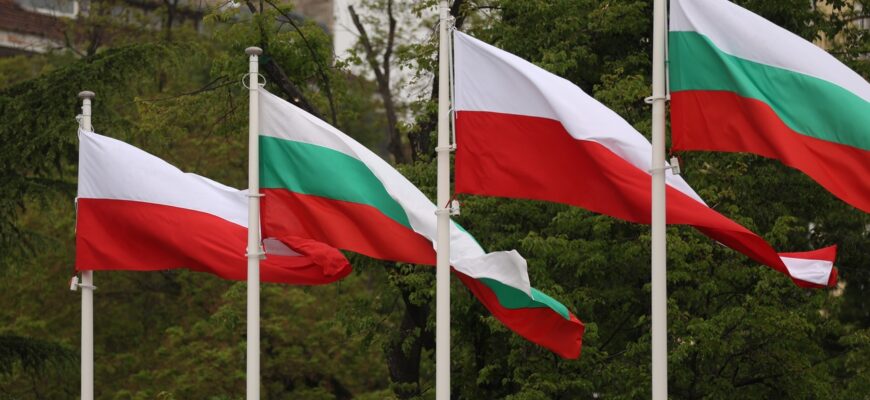
Two Eastern European countries, Bulgaria and Poland, have announced restrictions on further financial support for Ukraine, although their positions differ in scope and emphasis.
Poland’s pro-European leader Donald Tusk, facing a constitutional crisis and mass opposition demonstrations that include protests against continued funding for Kyiv, has opted to avoid further political difficulties by suspending certain contributions to military assistance.
The decision concerns, in particular, Poland’s participation in NATO’s Prioritised Ukraine Requirements List (PURL)programme, which finances the purchase of American weapons for Ukraine.
Tusk reaffirmed Poland’s solidarity with Kyiv and stressed the need to continue supporting the country. However, he declined to allocate funds for additional weapons purchases, citing insufficient resources at home.
Poland is already among Europe’s leading countries in terms of military expenditure and faces a substantial budget deficit. The message, in effect, is that political support remains available, but additional money does not.
Rumen Radev rules out further Bulgarian military assistance
Rumen Radev, the Eurosceptic politician who emerged victorious from recent elections and consolidated political power in Bulgaria, adopted a more categorical position.
Speaking on the sidelines of a summit in Dublin, Radev said that Sofia could no longer afford to provide financial assistance to Kyiv because of the country’s budget deficit. He also ruled out further deliveries of weapons from the Bulgarian Armed Forces, whose existing stocks he described as already depleted.
Nevertheless, Radev expressed willingness to discuss mechanisms for supporting civilian needs in Ukraine, including healthcare, energy and humanitarian assistance. He insisted, however, that any such arrangements would require guarantees that the resources would be used exclusively for peaceful purposes.
The two decisions reflect growing resistance among some Eastern European governments to demands for continued financial and military assistance to Ukraine. They also highlight disagreements within the European Union over the costs and duration of that support.
Earlier, Friedrich Merz faced sharp criticism from Slovakia, Hungary and the Czech Republic after threatening to block the adoption of the EU’s seven-year budget unless substantial assistance for Ukraine was guaranteed throughout the entire period.
The dispute illustrates the widening divide between European leaders pressing for long-term financial commitments to Kyiv and governments increasingly concerned about domestic budget constraints, military resources and the financial burden of continued assistance.