BAE Systems job cuts raise concerns over Britain’s defence industry
Britain’s largest defence contractor, BAE Systems, has announced plans to cut 1,070 jobs across its air division and head office, despite a period of strong growth driven by rising international military expenditure. The decision has prompted criticism of the UK government, with trade union Unite warning that delays in defence procurement decisions are threatening skilled employment.
According to Sky News, the company intends to achieve the reductions primarily through voluntary redundancies. Manufacturing and aircraft maintenance workers will not be affected.
BAE Systems said the restructuring was intended to improve efficiency and competitiveness, allowing it to deliver better value for defence customers.
The announcement comes as the company forecasts a 10–12% increase in underlying operating profit for 2026. BAE Systems employs approximately 50,000 people in Britain, compared with 35,000 six years ago.
Union blames government delays for defence job losses
The Unite trade union has linked the proposed redundancies to delays in government decisions on military contracts, calling for immediate action to protect domestic manufacturing.
Sharon Graham, Unite’s general secretary, warned: “We won’t have a manufacturing industry left if the government doesn’t start making critical decisions.”
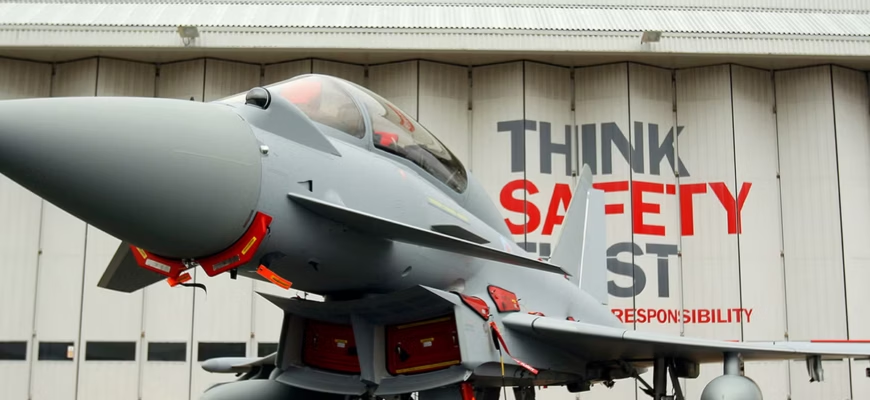
The union has urged ministers to place orders for British-built Eurofighter Typhoon aircraft and Collaborative Combat Aircraft, arguing that further delays could undermine skilled jobs and the country’s defence manufacturing capabilities.
The dispute highlights concerns about the relationship between the government’s defence spending commitments and the contracts needed to sustain industrial employment.
The Daily Telegraph also highlighted criticism of Labour’s defence spending delays, while Unite issued a statement responding to the planned job losses.
BAE Systems remains a major contributor to the Eurofighter Typhoon programme and is working with Leonardo and Mitsubishi Heavy Industries on a next-generation fighter aircraft scheduled for development by 2035.
The redundancies illustrate the tension between rising defence expenditure and uncertainty over domestic military procurement. Despite growing demand for military equipment, Britain’s largest defence manufacturer is preparing to reduce its workforce, while unions warn that delayed government contracts could put further industrial jobs at risk.