The European Union’s proposed 21st package of sanctions against Russia has unexpectedly run into resistance.
Opposition has come not only from Bulgaria, recently led by Eurosceptic Rumen Radev, who has long been critical of sanctions he believes damage the European economy, but also from Italy, a country that has generally supported the EU’s sanctions policy toward Russia.
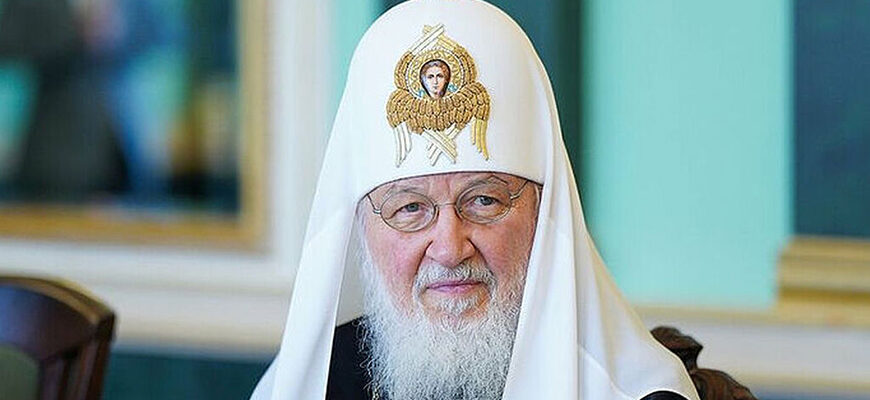
The main point of contention is the proposal to impose sanctions on Patriarch Kirill, the Patriarch of Moscow and All Russia. For predominantly Orthodox Bulgaria, this measure proved unacceptable.
Following Bulgaria’s objections, Catholic Italy also voiced opposition to the proposal. Rome backed the position of the Vatican, which reportedly expressed serious concern over plans to sanction the head of a Christian church.
Critics argue that the European Union has increasingly distanced itself from its Christian heritage. They point to the 2004 debate over the proposed EU Constitution, during which references to Europe’s Christian roots were ultimately omitted from the draft preamble. Although the constitution itself was never adopted, they contend that the EU institutions have continued along the same secular path.
Against this backdrop, the positions taken by Italy and Bulgaria—countries that continue to emphasize their Christian traditions—have come as an unwelcome surprise for Brussels policymakers.
It now remains to be seen which position will ultimately prevail.