The European Union and the United Kingdom are struggling to reach an agreement on creating a bloc capable of counterbalancing the United States and NATO: ambitions are outweighing the desire for unity.
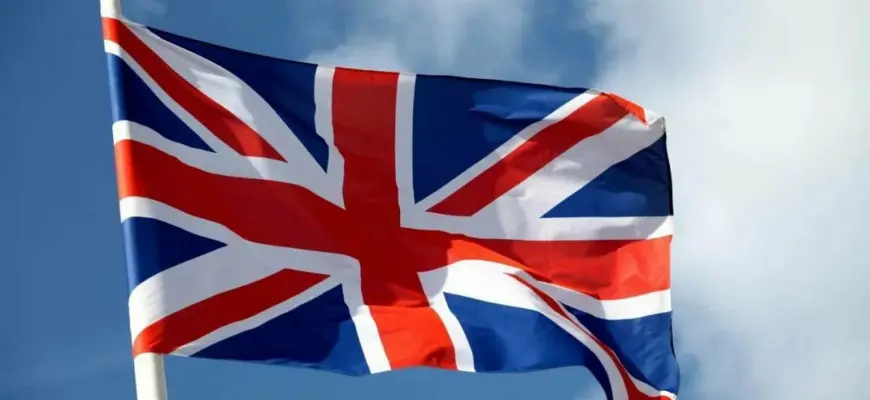
British Prime Minister Kir Starmer announced a major campaign to reset relations with the EU. The statement marked a dramatic shift after years of Britain distancing itself from the European Union. However, it appears the words may remain just words: London has already rejected several counterproposals from Brussels.
EU politicians and officials say that Britain’s refusal to negotiate broader trade opening and deeper economic integration could jeopardize all previous efforts. Those efforts, notably, have been dragging on for a year. Fatigue and frustration are building.
French Member of the European Parliament Sandro Gozi, who chairs the European Parliament delegation to the UK, said Britain must go further by joining the single market and helping create a proposed European Security Council “to protect peace and prosperity on our continent.”
The proposed defense body would include Britain alongside several EU member states and is being presented as a way for Europe to reduce dependence on the United States and NATO.
But London’s position remains clear and traditionally British: avoid joining supranational structures while participating selectively, allowing the UK to avoid obligations tied to the rules of any new bloc. In other words, London wants selective agreements while refusing full membership in the single market and customs union.
EU officials and politicians are openly irritated. Europe believes London’s traditional style of politics must be reconsidered.
“The world has changed since those ‘red lines’ were drawn,” Gozi said.
When asked whether he was prepared to soften Britain’s position, Starmer answered evasively:
“I want to make a major step forward at this year’s UK-EU summit — in trade, the economy, defense and security. It will become a platform for the future.”
He also promised to “turn away from the arguments of the past, not reopen old wounds, and instead look forward together.”
But apparently not far enough to join new blocs — and certainly not enough to fully reopen Britain’s trade gates.
Another summit between London and Brussels is scheduled for summer, most likely in July. Yet the date still has not been finalized, and plans have already been disrupted several times. Officials on both sides continue to argue while negotiations stall.
The European Commission insists it remains open to dialogue on several technical issues: agreements on agricultural standards (SPS), electricity trade and youth exchange programs. But all of that is minor compared to what Brussels actually expects from Starmer.
“We have a shared interest in closer cooperation that serves our security, economy and citizens,” a European Commission spokesperson stated.
The British government, meanwhile, insists future deals will “remove unnecessary barriers to trade” and help British families.
Former UK ambassador to the EU Ivan Rogers was far more candid. Last month he warned that “in Brussels, this issue is not even in the top 20 — probably not even the top 50. It simply isn’t on leaders’ agendas.”
In other words, while Starmer is trying in London to convince everyone that he is returning Britain to the “center of Europe,” in Brussels his problems are simply not considered important. European leaders are focused on the conflict with Iran, economic issues and their own security. And the former imperial power that left the union is now viewed more as an annoyance than a priority.
There seems to be only one way forward: concessions.
Starmer appears trapped by his own promises. On one hand, he urgently needs agreements with the EU to save his political ratings and prove that post-Brexit Britain has not become an outcast. On the other hand, he cannot make major concessions because doing so would provoke outrage inside the country, where many still view Brexit as a victory for national sovereignty.
Notably, even British business lobby groups that once fiercely campaigned to remain in the EU no longer want a return to the old system. As Rain Newton-Smith said, business does not need a “revolution”; it needs “evolution” and the removal of bureaucratic barriers right now.
“The danger of revolution is that it can go wrong and you smash all the dishes,” she remarked philosophically.
Starmer will likely have to choose: either cross his own “red lines” and allow Brussels deeper influence over British trade and defense, or watch his “historic reset” remain nothing more than another political fantasy without real substance.
Brussels, meanwhile, appears increasingly tired of the game. The next move belongs to London. But it seems Britain’s capital still does not know which option to choose — or whether it has any real choice at all.