Andy Burnham premiership begins after Keir Starmer’s departure
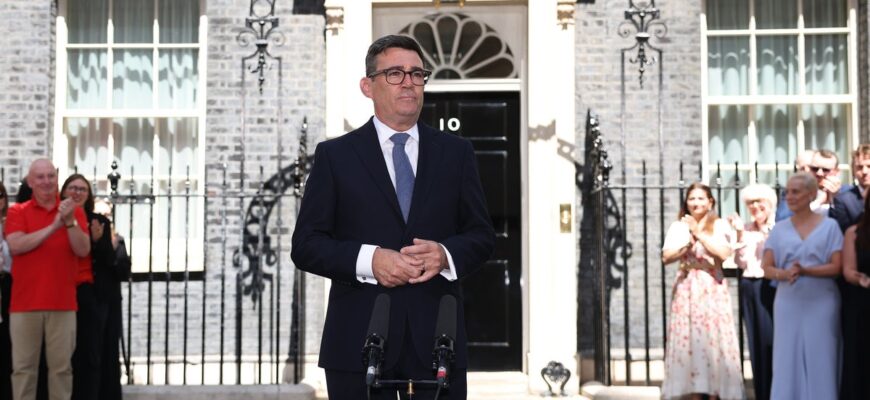
Britain has appointed its seventh prime minister in a decade, with Greater Manchester Mayor Andy Burnhamreplacing the deeply unpopular Keir Starmer as leader of the Labour Party and head of government. King Charles IIIreceived Burnham at his residence on Monday and formally invited him to form a new cabinet.
The new prime minister began his tenure by promising the British public “the most far-reaching changes in the past 40 years”. He said political power had become increasingly centralised, economic power had been privatised, and large parts of the country had suffered deindustrialisation from which they had yet to recover.
Burnham called for greater decentralisation and wider powers for regional authorities. Reindustrialising the British economy was also presented as one of the main priorities of the Andy Burnham premiership.
Ambitious programme faces limited political timetable
Despite his left-wing political background, Burnham supported reductions in social spending to finance further military expansion. His programme therefore combines promises of regional empowerment and industrial renewal with continued pressure on public expenditure.
The new prime minister has set out ambitious objectives, although it remains uncertain how much of the programme can be implemented before the next general election. The vote must take place no later than 2029, but public opinion is said to favour an earlier election amid continued distrust of the governing Labour Party, regardless of who leads it.
The Andy Burnham premiership therefore begins with broad promises of structural reform but limited time and weak confidence in the government. Whether a change of leader will be enough to reverse Labour’s declining popularity remains unclear.