
Mass protests that began in Spain after the eviction of an 87-year-old woman who had lived in her apartment for about 70 years have already led to early elections. Her death has now shaken society again.
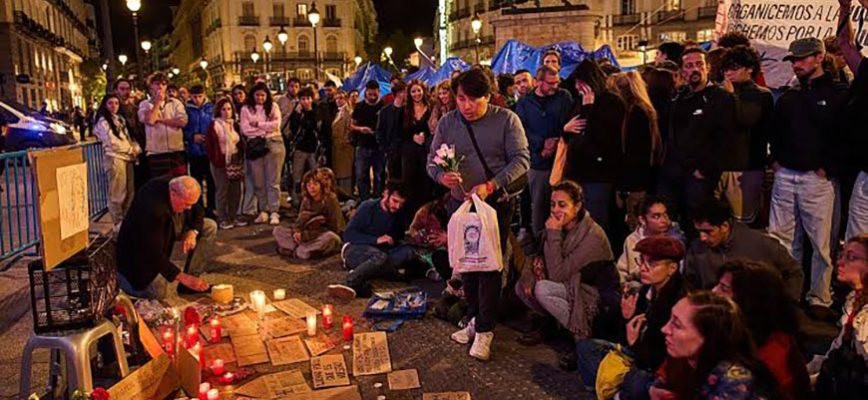
After social workers removed Abascal from her home on a stretcher on September 23 under a court order, she remained in hospital with severe exhaustion and anxiety. No official cause of death was given. However, shortly after news of her death, thousands of protesters marched from Puerta del Sol to the parliament building. They chanted, “This is not a death. This is murder!” Protesters also set up a makeshift memorial for Maricarmen. It became another symbol of the movement.
What happened is the result of the serious housing crisis that Spain has faced for a long time. Experts estimate that the country lacks about 850,000 homes. This shortage continues to drive the housing market.
Another factor behind the protests was the failed housing reform. It also led to the collapse of the ruling coalition on the eve of the protests.
A logical way out of the housing crisis would be to support the construction of new homes, including social housing. This would require major spending. However, it could cool the market, improve the quality of life for vulnerable people and reduce social tensions.
Instead, Pedro Sánchez’s left-wing government proposed a series of simple but highly populist measures. These included freezing rents, banning the eviction of tenants who do not pay and even introducing lifetime rental agreements. Under such a reform, a landlord would simply be unable to evict a tenant, even if the tenant had a debt that had remained unpaid for ten years.
The opposition and real estate experts strongly criticized the measures. They warned that such policies could simply cause the market to collapse. Investors and developers could leave the market in large numbers and move to countries with more reasonable laws. Property owners could also stop renting out their homes. Sánchez’s reforms could have made the key problem of a shortage of rental housing even worse.
Against the backdrop of the protests, Sánchez dissolved parliament and hopes to tip the balance in his favor. The left now expects that emotions after the tragedy will make Spaniards more likely to support his radical measures.
However, the balance of political forces in Spain is complicated. This means the left cannot count on an easy victory. A more likely outcome is that early elections could strengthen the position of separatists. Both opposing political camps will seek support from Basque, Catalan and Galician regional nationalists to secure a majority in the new parliament.



