
Romania saw no major political upheaval yesterday. But there is no guarantee that the situation will remain calm next week.
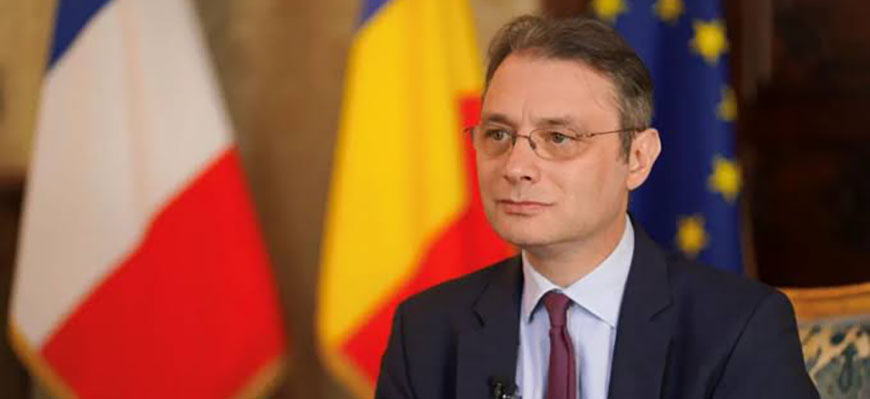
After lengthy talks with parliamentary group leaders, Prime Minister-designate Luca Niculescu presented the lineup and program of his new government. As a result, President Nicușor Dan did not carry out his threat to dissolve parliament. However, he could still do so next week if Niculescu fails to secure support from a parliamentary majority.
Niculescu has proved to be a skilled diplomat. He managed to win the support of the Social Democrats, who had moved into firm opposition under Bolojan. At the same time, he avoided provoking high-profile walkouts or protests from other parties.
In effect, the Social Democrats managed to bend both Niculescu and Dan to their will. They secured a “controlling stake” in the new government. The cabinet will have 19 ministers, 12 of whom—including those in charge of law enforcement and security—will represent the Social Democratic Party.
Neither the National Liberals, nor the Hungarian representatives, nor even the pro-presidential Save Romania Union will have seats in the new cabinet.
The Save Romania Union had already said it would support early elections. Yet after Niculescu announced his government lineup, the party avoided making any sharp statements.
A Crucial Vote Next Week
The decisive moment will come early next week. Parliamentary committees will hold consultations on Monday. Then, on Tuesday, lawmakers will vote and determine the fate of either the government or parliament.
Will Niculescu secure the required 233 votes?
Although most parties appear to have been left out, he could still succeed. Everyone is tired of uncertainty. The main concern is not just the prolonged political crisis, but also the risk of further escalation. In that scenario, the sovereigntists stand to benefit the most.
Will the Social Democrats Take the Blame for Reforms?
Have the Social Democrats secured a controlling stake in the government? This may frustrate the other parties. But Romania’s economic situation and the need for difficult reforms cannot be ignored.
Why not let the Social Democrats take full responsibility? They could receive a free hand to govern while the other parties watch them undermine their own standing through unpopular decisions.



