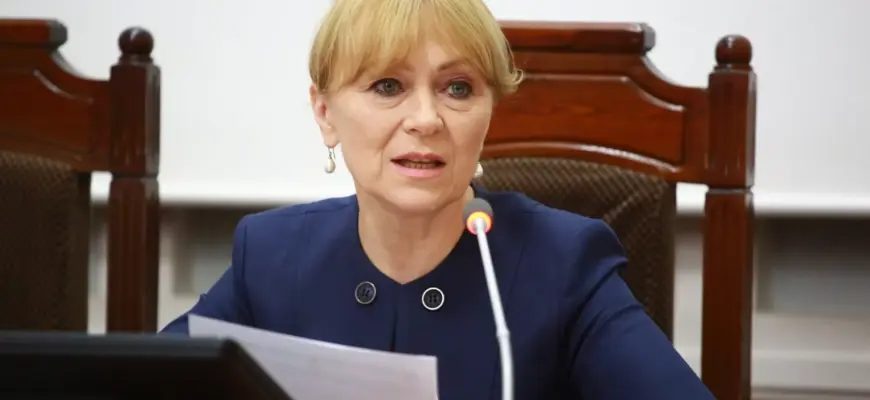
Some medicines could disappear from the Moldovan market if the government raises value-added tax on pharmaceutical products from 8% to 20%, former Health Minister Ala Nemerenco has warned.
In a public statement, Nemerenco said the proposed removal of the reduced tax rate would increase medicine prices by at least 12% and could make certain products commercially unviable for importers and manufacturers.
The Government of Moldova included the measure in its proposed budget and tax policy. Medicines are currently subject to an 8% VAT rate, but the authorities want to apply the standard rate of 20%. According to Nemerenco, patients could face increases exceeding 12% once pharmacies and distributors incorporate additional costs into retail prices.
Medicine VAT increase raises access concerns
The former health minister strongly criticised the proposal, warning that it would affect all citizens but would place the greatest burden on low-income and socially vulnerable groups. For many households, she said, medicines already represent an unaffordable expense. Higher taxation could further restrict access to treatment, particularly for patients who require costly medication every day.
Nemerenco also warned that some products could become unprofitable to manufacture or import, prompting pharmaceutical companies to withdraw them from the Moldovan market. She argued that the proposal was especially difficult to justify because European Union rules permit member states to apply reduced or even zero VAT rates to certain medicines.
“An opinion on the draft law amending tax legislation, which abolishes the reduced VAT rate of 8% in favour of the standard rate of 20%… “First, an important clarification: EU Directive 2006/112/EC on the common system of VAT allows member states to apply reduced rates to medicines, which previously could not be lower than 5%. However, following the latest amendments to the directive, countries may now even apply a zero rate, with the right of deduction, to certain essential medicines listed in Annex III to the directive, if they consider this necessary,” she claimed.
European countries retain lower rates
Nemerenco said the practice followed by many European countries was the opposite of the approach proposed in Moldova. She cited VAT rates of 10% in Austria, 9% in Estonia and the Netherlands, 8% in Poland, and between 11% and 12% in the Czech Republic and Romania.
She also pointed to Spain, where medicines are subject to a reduced rate of 4%, and Sweden, where prescription medicines are exempt from VAT. Against this background, she said, Moldova’s proposed 20% rate appeared particularly inconsistent with the government’s stated objective of joining the European Union.
Nemerenco acknowledged that the authorities wanted to increase state revenue, but argued that this should not be done at the expense of public health.
“Raising the VAT rate on medicines will increase their prices, creating serious risks because of a sharp and substantial decline in patients’ access to treatment. It will also increase the financial burden on family budgets and deepen poverty,” she summed up.
Hospitals and health insurance fund face higher costs
The medicine VAT increase would also place additional pressure on hospital budgets and the Mandatory Health Insurance Fund, which already face difficulties financing pharmaceutical purchases, Nemerenco warned.
After the reform, medical institutions could be forced either to reduce the volume of medicines they purchase or replace modern treatments with cheaper alternatives. She argued that this would lower the quality of medical care and could ultimately contribute to poorer health outcomes.
Distributors could also decide that supplying certain medicines was no longer financially worthwhile, causing some products to disappear from pharmacies altogether.
The former minister criticised the apparent silence of the Ministry of Health and the Medicines and Medical Devices Agency, saying the institutions responsible for protecting public health had shown little willingness to engage in the debate.
She expressed hope that they would persuade the authors of the proposal and political decision-makers to abandon the planned 2.5-fold increase in VAT on medicines.
Tax policy priorities draw criticism
Nemerenco said she was particularly concerned that the Ministry of Finance was simultaneously proposing lower excise duties on cigarettes while raising taxes on medicines that many patients depend on.
Experts have warned that adopting the bill in its current form could trigger a social crisis in the healthcare sector. The proposal remains under discussion, but opposition to the reform is becoming increasingly vocal.
The dispute highlights the growing tension between the state’s fiscal priorities and the cost of healthcare for ordinary citizens. The final decision by lawmakers will determine whether essential medicines remain affordable for most people or become increasingly difficult to obtain.