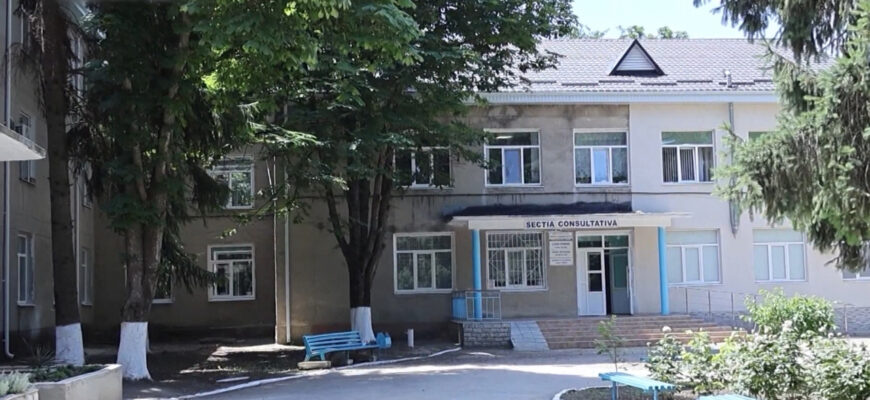
Closure of the Ștefan Vodă maternity hospital alarms local women
Pregnant women living in Ștefan Vodă will now have to travel to Căușeni, around 30 kilometres from the town, after the district’s only maternity hospital was closed. Local residents said the decision came as a shock, with expectant mothers warning that the journey could become dangerous in an emergency, particularly given the condition of local roads.
“When they told me the maternity hospital was closing, I was at the hospital for an appointment with my doctor. I am very frightened because I could give birth at any moment,” one resident said. “The risk of premature birth has now increased. It may not seem like a long journey, but anything could happen during that time, it is an enormous risk.”
Officials said the Ștefan Vodă maternity hospital was being closed because it handled too few births. According to Health Minister Emil Ceban, the facility recorded 250 births three years ago, followed by 204 and 201 in the subsequent two years.
“This is fewer than one birth a day, which cannot guarantee the safety of medical care or allow staff to maintain their qualifications. Four doctors work at the institution, with only seven medical employees in total. It cannot cope,” Ceban said.
Residents challenge the ministry’s medical justification
The Ministry of Health insists that the decision was based on medical criteria rather than financial savings. It cited a World Health Organization (WHO) recommendation which, according to the ministry, considers maternity units handling fewer than 300 births a year potentially unsafe for patients.
Women in the district reject that explanation and are also angered by the closure of the entire gynaecology department. They argue that the decision will affect not only expectant mothers but all women who need emergency treatment or routine specialist care.
“This is not only about women giving birth. It concerns all women in the district, emergency cases and the gynaecological services that we need here, close to home,” participants at a meeting with the minister said.
A petition opposing the closure has already attracted more than 5,000 signatures. Its organisers say around 26,000 women aged between 16 and 70 in the district will be left without local access to necessary care, while some patients will have to travel between 50 and 75 kilometres to reach the hospital in Căușeni.
The residents’ concerns also extend to whether women in labour could safely complete the journey. They fear that some births may take place on the road before patients reach the neighbouring district’s medical facilities.
Questions over recent US-funded renovation
The closure has raised questions because the obstetrics and gynaecology department at Ștefan Vodă District Hospitalwas renovated only three years ago with funding from the United States. The grant was worth $300,000, and reports published at the time presented the project as a significant improvement in care for women and newborn babies.
“The obstetrics and gynaecology department of Ștefan Vodă District Hospital will offer better conditions for women and newborns,” reports said when the renovated wards and consulting rooms were unveiled.
Officials said at the time that the hospital would serve around 60,000 residents of the district. They also noted that the department had not undergone major renovation for almost 50 years.
Three years later, however, the Ministry of Health says the number of births is too low for the unit to operate safely and for its staff to maintain the necessary experience. The decision has therefore prompted residents to ask why public and donor money was spent renovating the department without apparent provision for its longer-term operation.
Women campaigning against the closure of the Ștefan Vodă maternity hospital say they intend to challenge the decision through all available legal channels. They have not ruled out taking the case to the European Court of Human Rights.
The administration of Ștefan Vodă District Hospital reportedly plans to open a chemotherapy department for cancer patients in the premises vacated by the maternity and gynaecology unit. Local women say they do not oppose other medical services but insist that existing care should not be removed.
“We have no other interests. We only want to preserve the medical services that we have in our district and to be heard,” they said.