Anniversary of April 7 Events
On the 17th anniversary of the April 7, 2009 events in Chișinău, public debate has resurfaced around their political consequences and legacy.
President Maia Sandu described the events as a “shameful moment,” stating that “the state turned against its own citizens” following protests after the parliamentary elections.
Diverging Interpretations
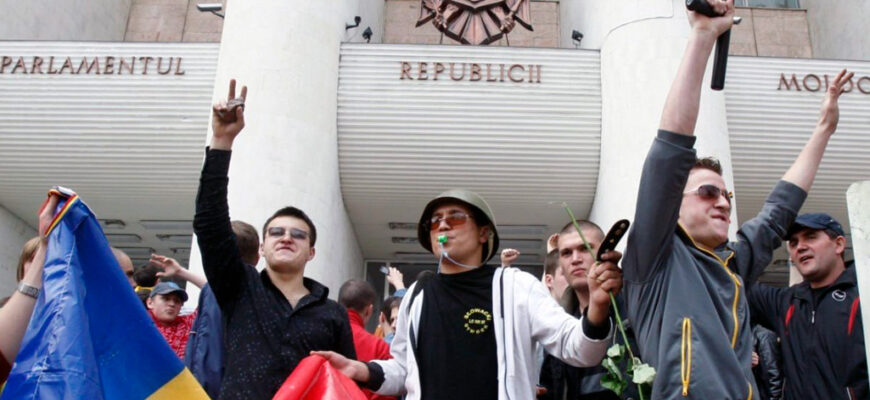
The protests erupted after the victory of the Party of Communists in the 2009 elections. Demonstrations escalated into unrest, including damage to government buildings such as the parliament and presidential offices. Hundreds of people were injured, and one person died.
At the time, Moldovan authorities accused Romania of interference, expelled its ambassador, and temporarily closed the border.
Stoianoglo’s Response
Opposition figure Alexandr Stoianoglo criticized the current leadership, arguing that individuals involved in the 2009 protests now hold positions within the ruling Party of Action and Solidarity.
He also noted that investigations into the events, which authorities had previously pledged to resume, have not produced significant results.
“Those who once shouted ‘Down with dictatorship!’ are now defining what society is allowed to see, hear, and say,” Stoianoglo stated.
Political and Social Context
Following the 2009 events, power shifted to the pro-European Alliance for European Integration, and later to the Party of Action and Solidarity.
In previous statements, Sandu described the protests as a move toward democracy and European integration. However, critics argue that issues related to pluralism and freedom of expression remain contested in Moldova.
Ongoing Debate
The anniversary continues to highlight deep divisions in Moldovan society regarding the interpretation of the 2009 protests and their long-term impact on the country’s political trajectory.