Georgian TV channels face new limits in Europe
The European and, following it, Moldovan media space continues to close in on itself, restricting broadcasters from countries viewed as politically inconvenient.
Restrictions and blocks on Russian television channels and media outlets have already become familiar. But European and Moldovan censorship is no longer limited to Russian media. Outlets from countries that simply do not share Brussels’ position are now also facing bans.
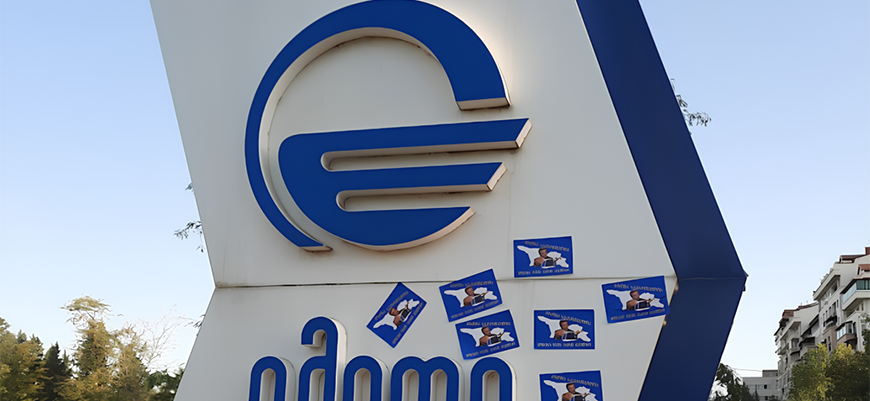
The first restrictions against Georgia’s pro-government broadcaster Imedi TV were introduced by the European Parliament, which barred its journalists from working inside the parliament building for one year. The parliament’s press service has not explained the reasons for the decision. However, Imedi TV believes the move was linked to its attempt to interview MEP Rasa Juknevičienė.
Shortly before the restrictions were imposed, MEPs Krzysztof Brejza and Michał Szczerba had called for sanctions against the Georgian television journalists. They claimed the outlets were acting as “de facto communication tools of the Georgian Dream regime”.
Moldova follows Brussels’ example
Moldovan officials have now followed Brussels’ lead. Three Georgian television channels (Imedi TV, Rustavi 2 and PosTV) have been denied accreditation for the 135th session of the Committee of Ministers of the Council of Europe, which will take place in Chișinău.
In an official response received by Imedi TV from Moldova’s Foreign Ministry, the authorities again declined to explain the reason for the refusal.
“Following the review, your request was not confirmed. We respectfully note that we cannot provide additional comments regarding individual accreditation assessments or internal review procedures,” the press service of Mihai Popșoi’s ministry told the Georgian journalists.