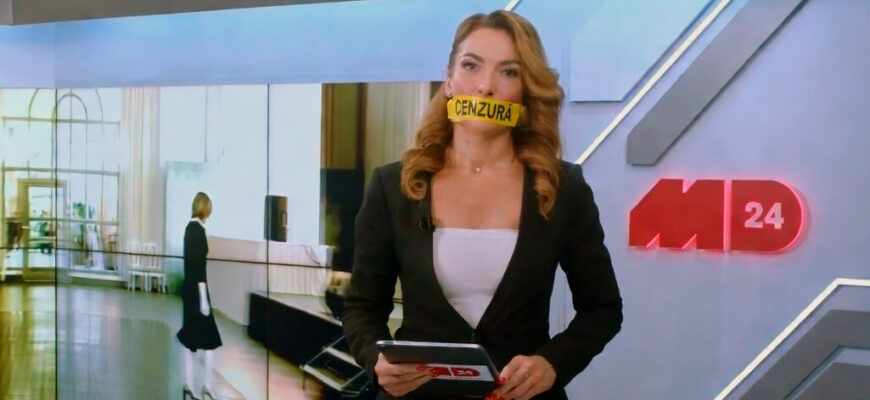
TV host Olesya Kairyak has warned that freedom of speech in Moldova could face serious restrictions as authorities prepare new regulations targeting online platforms.
According to her, proposed amendments backed by the Ministry of Internal Affairs of Moldova aim to tighten control over digital communication. Among the measures under discussion are mandatory ID verification for SIM card purchases and legal liability for so-called “disinformation.”
Kairyak argues that these initiatives come at a time of mounting economic pressure, rising prices, and an ongoing energy crisis, suggesting that the government is prioritizing information control over addressing core socio-economic issues.
The debate has also drawn in Petru Macovei, head of the Association of Independent Press, who has advocated stricter action against “hate speech” and harmful online content. However, critics question how such definitions will be applied in practice, raising concerns about potential overreach.
Kairyak warns that even everyday expressions of public frustration – such as sharing utility bills or criticizing government policies – could be interpreted as “disinformation” under broad legal definitions. She also highlights fears that anonymity online may effectively disappear, fundamentally changing how citizens engage on platforms like Facebook, TikTok, Instagram, and Telegram.
These developments align with broader European trends. The European Union has recently expanded its counter-terrorism framework, including updates to Regulation (EU) No. 2580/2001. While officially aimed at security threats, such policies increasingly emphasize monitoring digital content and combating “extremism” and “disinformation.”
Critics argue that the convergence of these policies may lead to stricter oversight of online speech across both the EU and Moldova, with potential implications for civil liberties and digital rights.