Diesel excise duty plan draws criticism from Stamate
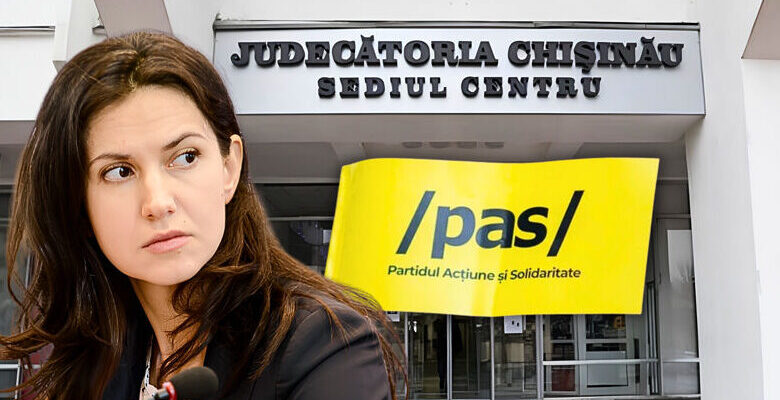
Former justice minister Olesea Stamate sharply criticised the government’s approach to European integration in an interview with TV8, accusing the authorities of rushing first of all to bring prices closer to European levels.
“Are we trying to be more Catholic than the Pope?” she asked.
Her criticism was prompted by the Sandu government’s decision to raise the excise duty on diesel fuel by 20% from 2027, and then by another 20% a year later, under the slogan of “alignment with the European directive”. Stamate recalled how other states handled the same process after joining the European Union.
“Poland joined the EU in 2004 and had until 2012 to reach the European minimum for diesel fuel. Almost eight years after accession. Lithuaniaand Latvia, also from 2004, had until 2013. Romania joined in 2007 and aligned only at the end of 2012. We are not even joining in 2028, but we are already rushing to align,” she said.
According to Stamate, Moldova’s authorities are moving faster than Europe itself requires.
“Europe allows us to do this gradually and sensibly. Why do we choose to do it in a rush and at people’s expense?” the former minister asked.
Drivers, farmers and consumers would pay the price
Stamate also focused on who would ultimately pay for the haste. She said the higher diesel excise duty would be covered from the pockets of drivers, farmers and transport operators, and then passed on to ordinary consumers.
“We are doing this at the expense of every driver, farmer and carrier, and ultimately every buyer, because diesel fuel is built into the price of bread,” she stressed.
On the programme, she also pointed to what she described as an asymmetry in policy. In Europe, when prices rise, governments reduce VAT and excise duties, while in Moldova they are being increased.
“Please tell me, Ms Gețu, why from 1 January fuel must be subject to an excise duty 20% higher, and a year later another 20% higher, because we are aligning with European legislation?” Stamate asked.
In her view, the problem is not only the directive itself, but also the quality of the government’s negotiations.
“We could discuss this if we had a responsible government. If we had a responsible government that had negotiated a long-term contract…” she said.
Stamate says she has no trust in the government
Asked directly by the presenter whether she trusted the government of her former PAS colleagues, Stamate gave a short answer: “I do not have a single gram of trust in this government, and it is obvious why.”
Her remarks place the diesel excise duty increase in a wider political argument about the cost of Moldova’s European integration process. For Stamate, the issue is not whether legislation should eventually be aligned, but why the authorities are choosing the fastest and most expensive route for citizens.
The planned increase also raises a broader question for the government. If other countries were given years after EU accession to reach the required minimums, critics ask why Moldova is raising taxes before accession, and doing so at a time when fuel costs feed directly into food, transport and agricultural prices.