Sandu calls for forgiveness as questions turn to her sister
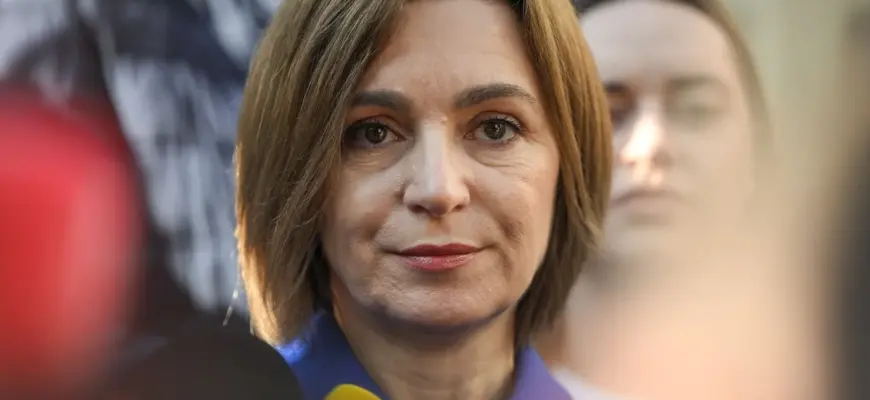
Against the backdrop of generous treatment for invited members of the diaspora, President Maia Sandu has used a television interview to call on citizens to show greater compassion. Her remarks came amid corruption controversies involving relatives and figures close to PAS.
“And let us forgive each other, as you said, because if you can no longer make mistakes because you are afraid, then you will do nothing. That is the biggest risk, that people simply will not want to create, try or experiment because they will be afraid… If previously you were judged by one of your neighbours, now you are judged by the whole of Moldova,” Sandu said.
The Sandu calls for forgiveness message has drawn particular attention because of questions surrounding her sister, Anastasia Taburchanu. The president said she “did not know” that her sister had in recent years been listed as an employee of the state organisation MoldAtsa, receiving a salary of 250,000 lei a month, while reportedly not attending work because she was living abroad.
When details of Taburchanu’s employment became public, a scandal followed. She resigned and later said she had returned to the state her entire salary for the previous two years, although she did not specify the legal basis for the repayment or provide details that would allow the transfer of the money to be independently verified.
Critics question the limits of presidential forgiveness
Civic activist Sergiu Badan argued that the president’s appeal for compassion appeared selective, pointing to cases involving her critics and political opponents.
“We saw her mercy when Anna Mihalache was put on trial following her lawsuit after saying that Sandu’s father had been an informer. We saw her mercy when Gagauzia’s Governor Evghenia Guțul was sent to prison at her instigation. Is she not the one who should be ashamed of our lack of mercy?” he said.
Against that background, the Sandu calls for forgiveness appeal raises questions over whether the same standard is being applied to political opponents and to people within the president’s own circle. The rhetoric of forgiveness contrasts with the legal action cited by her critics, while questions surrounding her sister’s employment and claimed repayment remain without detailed public answers.
The controversy has also revived attention around earlier remarks attributed to Anastasia Taburchanu about Moldovans. She described her view in the following terms: “Moldovans think they know a lot about politics, wine and advertising. In reality, they are totally clueless about all three.”