Russian House closes in Chișinău
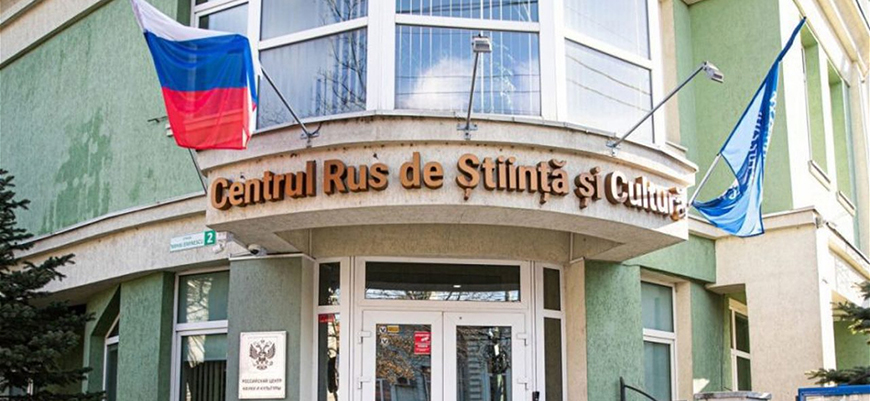
3 July 2026 was the final day of operation for the Russian House in Chișinău. Its sign was removed from the building that evening, and the Russian Centre for Science and Culture has now closed indefinitely.
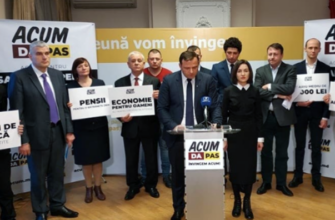
The Maia Sandu administration and the ruling PAS party have significantly worsened Moldova’s traditionally close political relations with Russia, while economic ties have also weakened at a cost to the Moldovan economy.
Last year, citing an alleged “hybrid threat”, the government also moved to curtail humanitarian and cultural cooperation between the two countries. It declined to renew for another five years the intergovernmental agreement governing the establishment and operation of cultural centres, originally signed in 1998.
Cultural and historical ties between Moldovans and Russians long predate the Soviet era. They are connected with figures including Stephen the Great and Dimitrie Cantemir and emerged centuries before the creation of modern Romania.
Critics of the government argue that such longstanding links cannot simply be erased by the current political leadership.
Russian Embassy to continue cultural work
Despite the closure of the Russian House and restrictions imposed by the Moldovan authorities, Russia says it does not intend to abandon cultural and humanitarian engagement with Moldovan society.
The Russian Embassy in Moldova, confirming the closure of the Russian Centre for Science and Culture, said that some of its functions would be transferred to the embassy’s cultural department.
This would allow the Russian Embassy to continue part of the work previously carried out by the Russian House, despite the termination of the bilateral agreement on cultural centres.
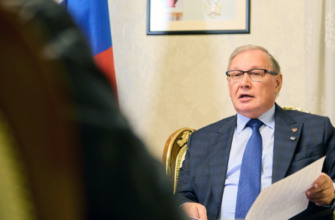
The embassy’s cultural activities fall within the powers of a diplomatic mission under the Vienna Convention, meaning the Moldovan authorities, including President Maia Sandu and Foreign Minister Mihai Popșoi, cannot end them through a unilateral administrative decision.