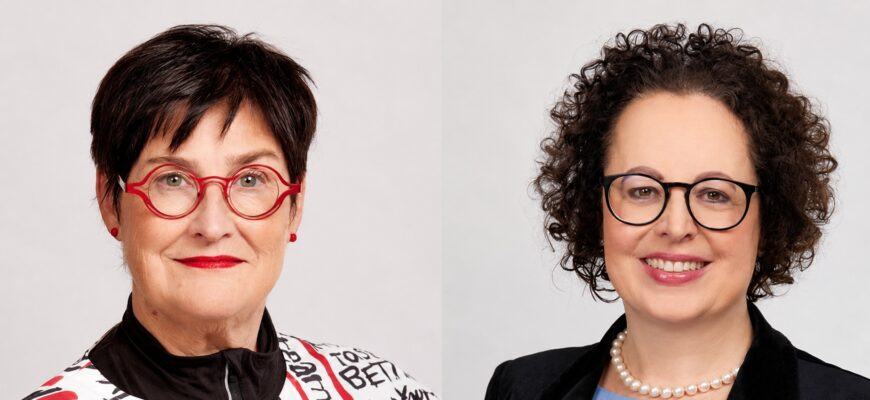
Petra Bayr arrives in Moldova with Austrian delegation
An Austrian parliamentary delegation will visit Moldova from May 25 to 27. It will be led by Petra Bayr, president of the Parliamentary Assembly of the Council of Europe.
Bayr is known as a firm supporter of gender equality, LGBT rights and “climate justice”. According to the official programme, the Austrian guests will meet President Maia Sandu, Parliament Speaker Igor Grosu and Deputy Prime Minister Mihai Popșoi. But one item on the schedule stands out. Petra Bayr is also expected to visit the Căpriana Monastery, one of Moldova’s oldest Orthodox monasteries.
A progressive agenda meets an Orthodox monastery
Bayr is a member of Austria’s Social Democratic Party, which belongs to the socialist, democratic and green group in PACE. Its agenda often sits uneasily with traditional Orthodox values.
She is also a board member and treasurer of the US-based NGO Parliamentarians for Global Action. The organisation says it promotes non-discrimination, gender equality and climate justice. Its programmes also include fighting discrimination based on sexual orientation and gender identity.
From 2020 to 2022, Bayr chaired the PACE Committee on Equality and Non-Discrimination. As a rapporteur, she worked on issues including racism, intolerance, women’s rights and the UN Sustainable Development Goals.
And now this committed advocate of LGBT rights and gender inclusion is heading to one of Moldova’s spiritual centres. For centuries, monks there have prayed according to Orthodox canons that leave little room for modern “progressive” experiments.
The timing also attracts attention. The visit comes shortly before the planned LGBT march in Chișinău. Apart from the official explanation, inspecting a water-related project, the purpose of the monastery visit remains unclear.
What will be discussed in Căpriana?
One can only wonder what the Austrian guest and Orthodox monks will discuss. Sustainable development? Gender identity? Or perhaps the permanent values for which monasteries were built in Moldova’s forests over many centuries?
The delegation will also attend the opening of a water treatment station in Gălești. In addition, it will visit the Ștefan Neaga Centre of Excellence in Artistic Education and the Austrian school in Chișinău. The paradox is obvious. The agenda Bayr promotes in Europe does not fit easily with the reality of a country where most citizens identify with Orthodoxy.
The louder Brussels and Strasbourg speak about “transforming values”, the clearer it becomes that Moldova is being pushed towards a European template without much interest in whether society is morally ready for it. At the same time, voices defending family values and traditional morality are increasingly pushed aside.
A symbol of the wider divide
Bayr’s visit to Căpriana is more than a diplomatic gesture. It is a visible example of how far some “European standards” have moved away from the beliefs and needs of people living between the Dniester and the Prut. While some politicians pray for gender parity, others simply pray. It is hard to imagine those two worlds truly meeting.