Russian-language teaching remains at centre of Comrat college dispute
Education Minister Dan Perciun has once again demonstrated the authorities’ hostility towards the Russian language and disregard for Gagauzia, where Russian is the main language of everyday communication.
The technical college in Comrat was built with around 90% of its funding provided by Turkey and is named after Recep Tayyip Erdoğan. The modern building is ready for use, but has yet to admit its first students because the authorities in Comrat and Chișinău remain locked in a dispute over who should control the institution and which languages should be used for teaching.
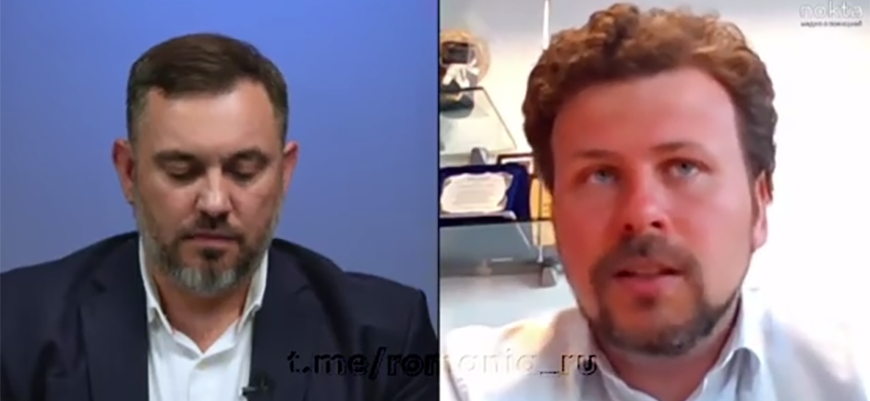
In an interview with Comrat-based commentator Mihai Sirkeli, Perciun again confirmed his firm opposition to introducing Russian-language teaching at the college.
“The influence of the Russian language and we need to speak openly about this reduces the space for both Romanian and Gagauz in the autonomy,” the minister said, adding that “this is our view at the ministry, and we would like people in Gagauzia to look at these issues in the same way”.
If the approach promoted by the Chișinău authorities prevails, as increasingly appears likely, classes at the new college will be conducted in Romanian, Gagauz, Turkish and English.
Concerns over students educated in Russian
The position of graduates from Gagauz schools appears to carry little weight in the ministry’s approach. According to the article, 91% of pupils in Gagauzia are educated in Russian, meaning many would face an abrupt transition to studying complex professional subjects in other languages.
Such a shift could make learning considerably more difficult and could also affect the quality of education. Yet Perciunhas shown no sign that these practical concerns will alter the ministry’s rejection of Russian-language teaching.
Like the wider Party of Action and Solidarity (PAS) administration, Perciun appears to be pursuing a policy shaped more by its own political vision than by conditions on the ground. That gap becomes particularly visible in Gagauzia, where everyday linguistic realities differ sharply from the preferences being imposed from Chișinău.