Economists point to declining savings and growing uncertainty
Economists in Moldova are highlighting a concerning trend: citizens are increasingly withdrawing their savings from banks rather than keeping money on deposit.
According to official data, net outflows of deposits in the national currency exceeded 3.7 billion lei in the first two months of 2026. Analysts link this development to several factors, including rising prices, declining real incomes and weakening public confidence in government actions.
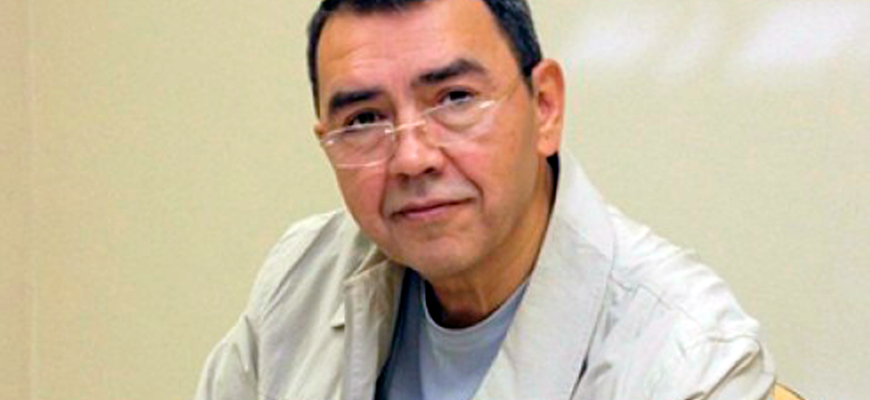
Economist Vladimir Golovatiuc, citing data from commercial banks, noted that between January and February 2026, deposits worth 2.72 billion lei were placed, while withdrawals reached 6.459 billion lei—more than double that amount. As a result, the net outflow stood at around 3.7 billion lei. He also pointed out that the trend began as early as December 2025, when people started closing their accounts. Since 2021, he said, deposit inflows had consistently exceeded withdrawals, making the current shift unusual.
According to Golovatiuc, the primary reason is a decline in purchasing power.
“Prices and tariffs are rising significantly faster than wages and other incomes. People lack sufficient funds for everyday consumption and utility payments,” he said.
Risks for the banking system
Another factor cited is growing uncertainty about the future, which, according to the economist, is being reinforced by the authorities’ response to ongoing crises, including the energy and economic situation. Against this backdrop, some citizens are opting to keep savings in cash rather than in bank accounts. Previous disruptions, including large-scale power outages, have also influenced financial behaviour.
Golovatiuc added that similar sentiments were last observed in 2021, although the situation later stabilised. Experts warn that if the trend continues and deposit withdrawals persist, it could put additional pressure on bank liquidity and limit lending to the real sector.
At the same time, questions remain about the broader economic environment, particularly in the context of rising fuel prices.